

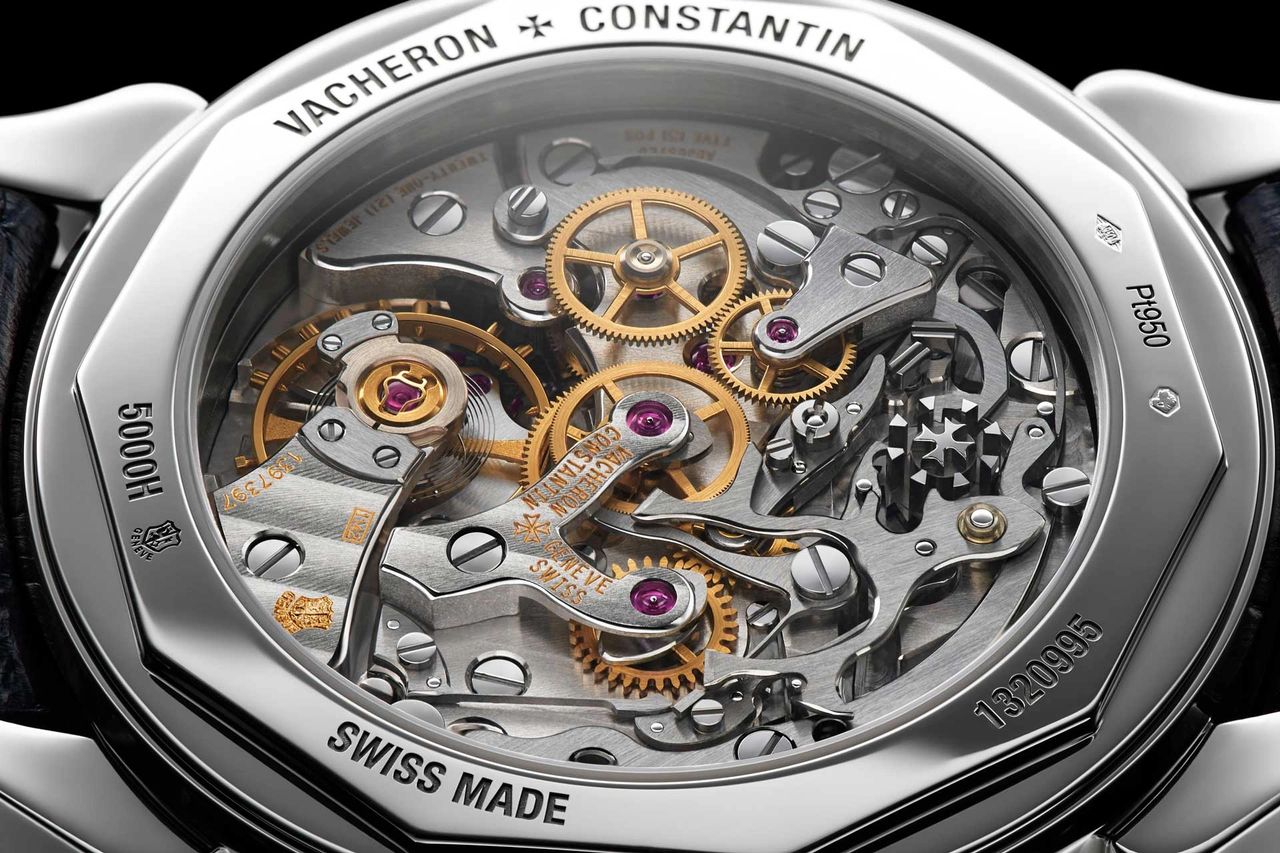
Last week, we covered the main differences between modular and integrated chronographs. Our deep diver allowed us to appreciate the benefits and the downsides of each type. Ultimately, as we could see, it comes down to the taste of the watch afficionado who will end up sporting the timepiece on their wrist.
On the topic of Chronographs, more often that Modular vs Integrated debate, we notice brands and collectors alike debate about the benefits of Column-wheel vs Cam lever chronographs. Which is better and why... let's dive in
Column Wheel vs. Cam Lever: The Control Heart
As we dove into the topic, we realized an insight that probably explains why the conversations when led by the brands will often be about the type of Control of the movement rather than the way it’s built. Indeed, we would often hear or read about the pros and cons between Column Wheel Chronographs vs Cam system-based ones. It is therefore easy to confuse “modular vs. integrated” with “column wheel vs. cam-actuated” while they’re separate but related distinctions. Both systems can exist in either modular or integrated movements. Let’s have a look at how they work. We found this video on youtube to be the best way to explain the difference between both.
In a cam lever chronograph, the pushers on the side of the case directly activate a system of levers and cams. When you press the top pusher to start the chronograph, a lever pushes against a cam (a small, heart-shaped or notched metal piece) that rotates and moves another set of levers connected to the chronograph wheel. This action engages the mechanism that drives the central seconds hand. When you press the pusher again, the cam turns further to stop the mechanism, and pressing the lower pusher resets it — all through mechanical pressure and lever movement. The system is robust and relatively simple to produce, but because it relies on physical contact between metal parts, the pusher feel tends to be firmer and less fluid than in a column wheel design.
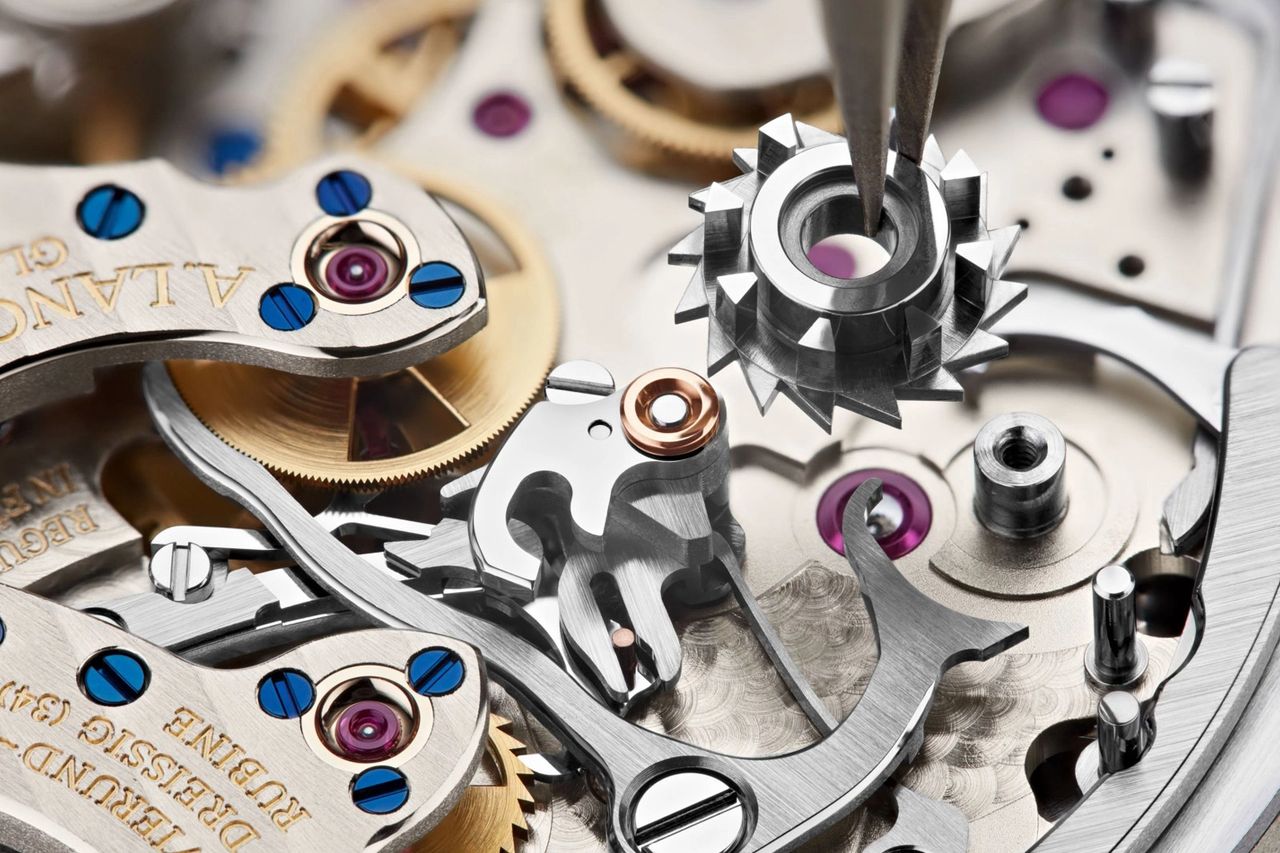
In a column wheel chronograph, the pushers control a finely machined wheel with vertical columns (like a tiny castle turret). Each press of the pusher rotates this wheel one step, coordinating a precise sequence of start, stop, and reset commands. The column wheel acts like a traffic controller, lifting and lowering tiny levers in perfect synchronization. This creates a smoother, more refined pusher action that feels crisp and precise to the touch. The design is mechanically elegant and beautiful to watch in motion — but also more complex and expensive to manufacture, which is why it’s typically found in higher-end chronographs.
Does It Matter Which You Choose?
It really depends on what you value most: If you love functionality and reliability, then a modular chronograph would be the better choice. Such Chronographs are known to be affordable, proven, and easily serviced. In simple terms, they are perfect for everyday wear. If you love heritage and mechanical artistry and prowess, then the integrated chronograph is made for you. Those are built as a single entity, with tactile perfection and timeless beauty. Generally speaking, seasoned collectors that are genuinely interested in the movements of the watches will prefer in-house manufacture integrated chronographs or the second-best option in their opinion, a reliably sourced integrated chronograph similar to what Rolex did with their Daytona ref 16520.
Philosophy Behind the Mechanics
Modular chronographs are about efficiency — they reflect modern, adaptable thinking.
Integrated chronographs are about purity — a devotion to unity and mechanical artistry.
Both embody the human desire to measure time — not because we must, but because we can.
Article prepared by Omar, Founder at The Watch Curators.


