

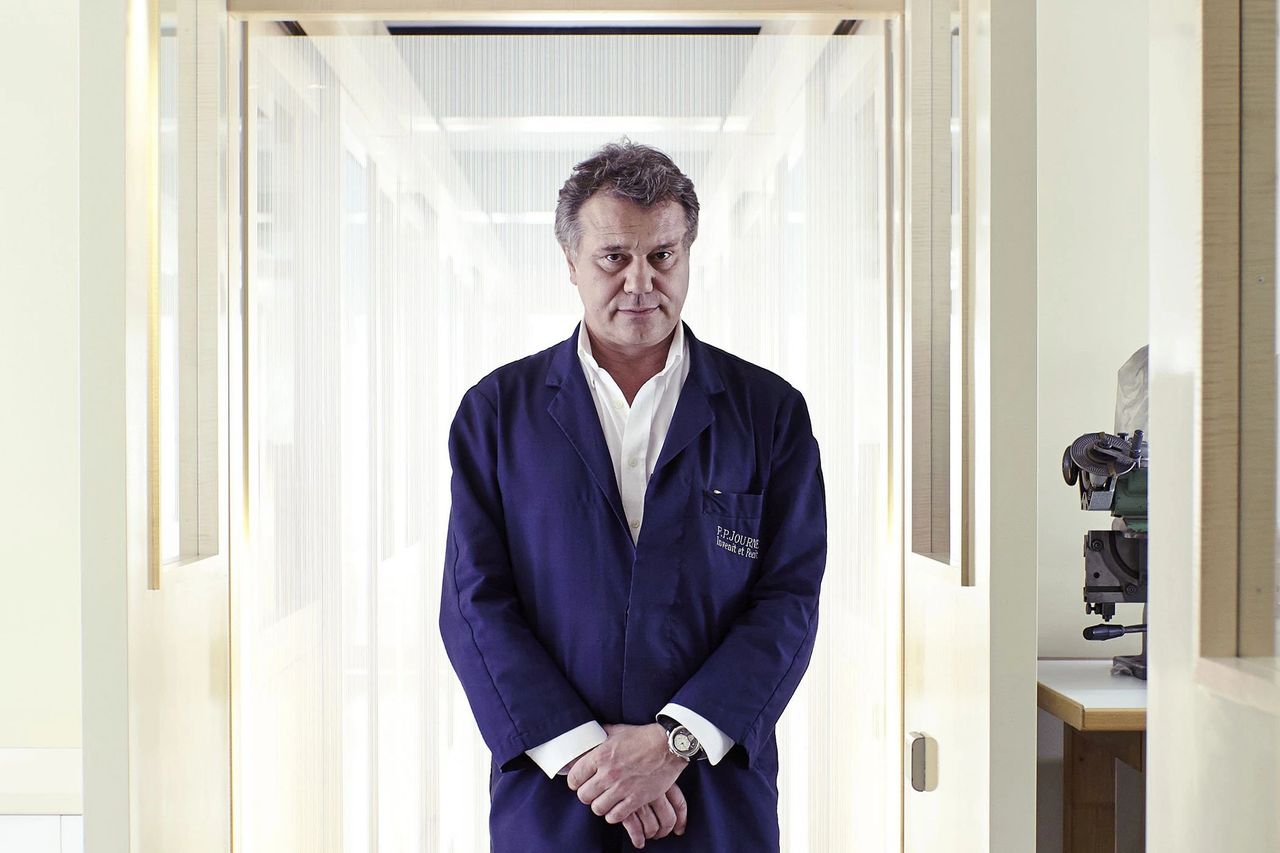
François-Paul Journe is, by all measures, one of the most important watchmakers of our era. Yet unlike the grandes maisons with centuries of history, or the marketing-driven giants of the luxury industry, his story is not one of corporate inheritance but almost one of defiance, obsession, and even perhaps, stubborn dedication to the purity of mechanical watchmaking. To understand Journe the brand, one must first understand Journe the man: a craftsman, a philosopher of time, and, in his own way, a reluctant revolutionary.
Marseille Roots and an Unlikely Beginning
Journe was born in Marseille in 1957 into a family with little connection to horology. His early years were marked not by privilege but by rebellion. By his own admission, he was a troublesome student—bored by traditional schooling and prone to clashes with authority. At the age of 14, after being expelled from conventional education, he was sent to a technical school specializing in horology in Marseille.
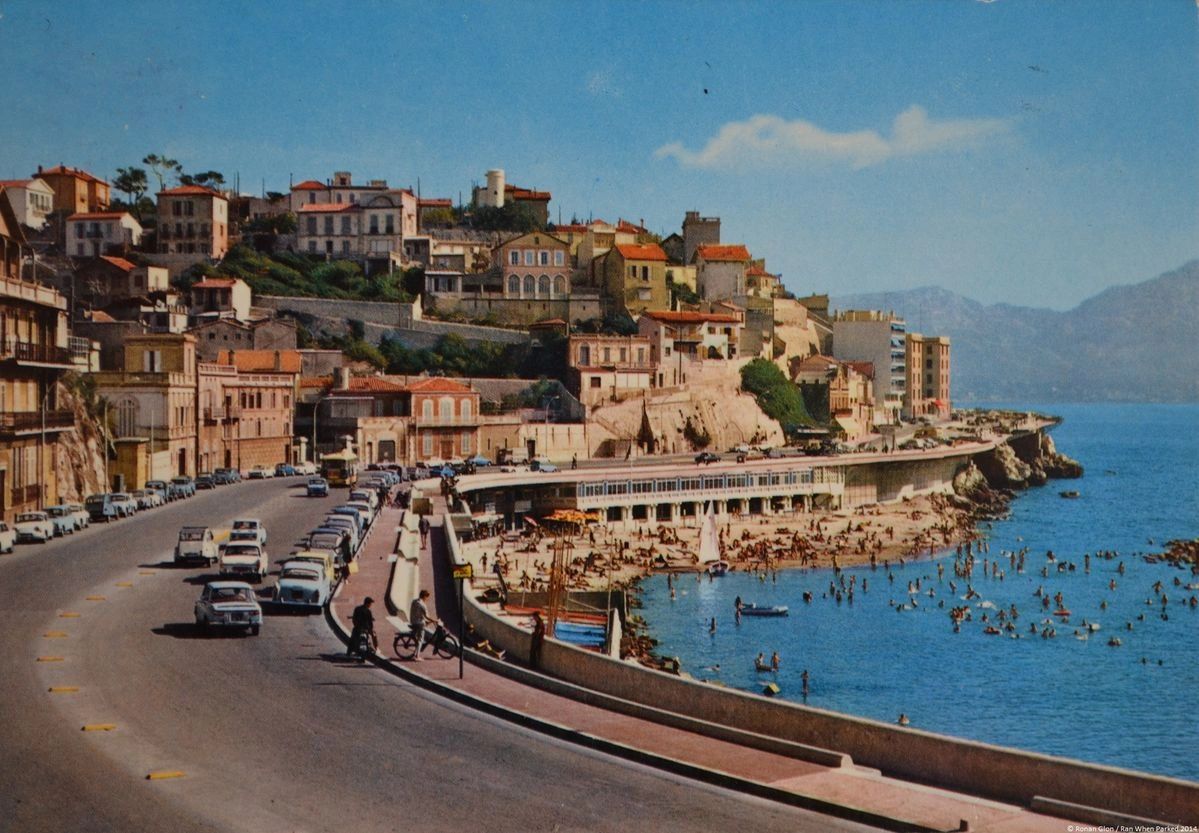
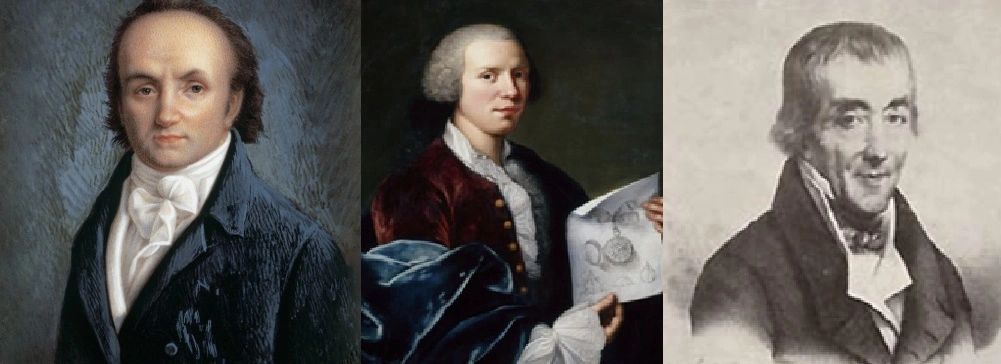
It was there, almost by accident, that he found his calling. A difficult pupil became an inspired one; mechanical watchmaking offered the challenge, precision, and creativity that academic life never had. His uncle, a Paris-based clock restorer, played a pivotal role, later mentoring him and opening doors to the world of antique timepieces. Journe’s early exposure to 18th-century masters such as Breguet, Berthoud, and Janvier would leave a lasting impression—not only on his understanding of horological mechanics but also on his reverence for tradition.
Apprenticeship in Paris and the Allure of the Past
After his initial training in Marseille, Journe continued his education at the École d’Horlogerie de Paris, graduating in 1976. He then apprenticed under his uncle, who restored historic clocks and watches for museums and collectors. These formative years were essential. Journe handled pieces that spanned centuries, dissecting their intricacies and absorbing the philosophies of their makers.
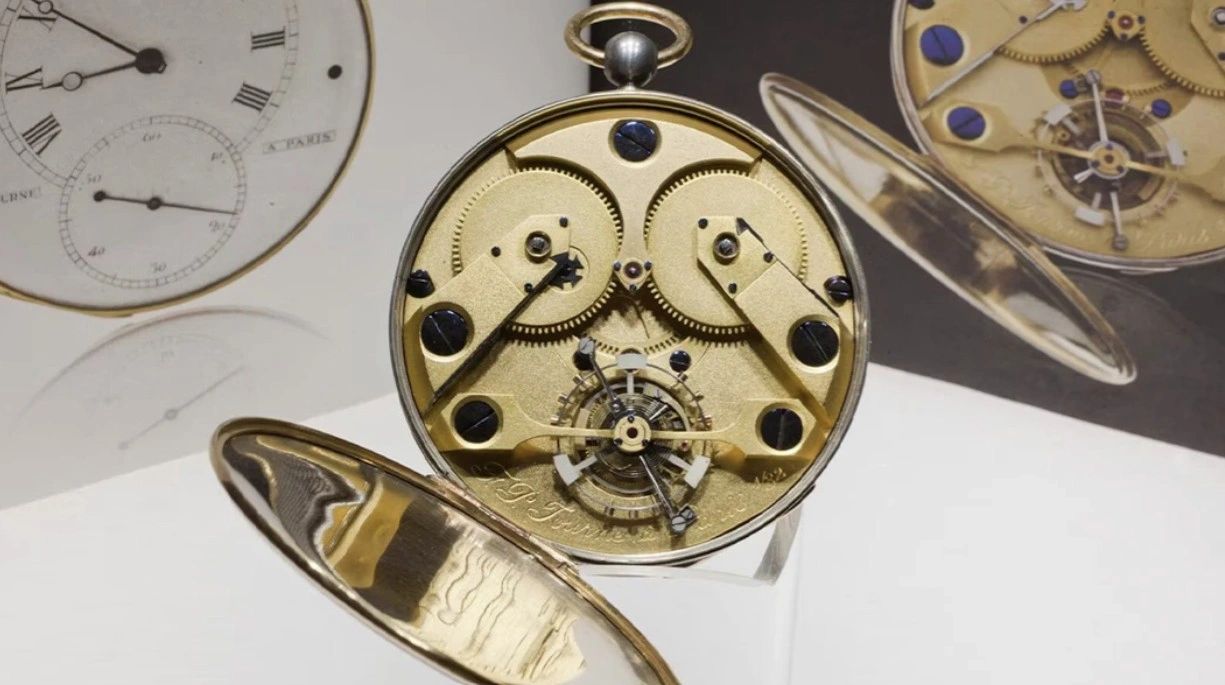
Where many young watchmakers might have been content servicing or restoring, Journe was restless. The past inspired him, but he was determined to create. At just 20 years old, he embarked on constructing his first tourbillon pocket watch, entirely by hand and with limited resources. This endeavor took him five years, completed in 1983. The piece was not perfect, but it was proof: Journe had the skill—and the obsession—to walk the path of what to be later named the great independents.
The Philosophy of Invention
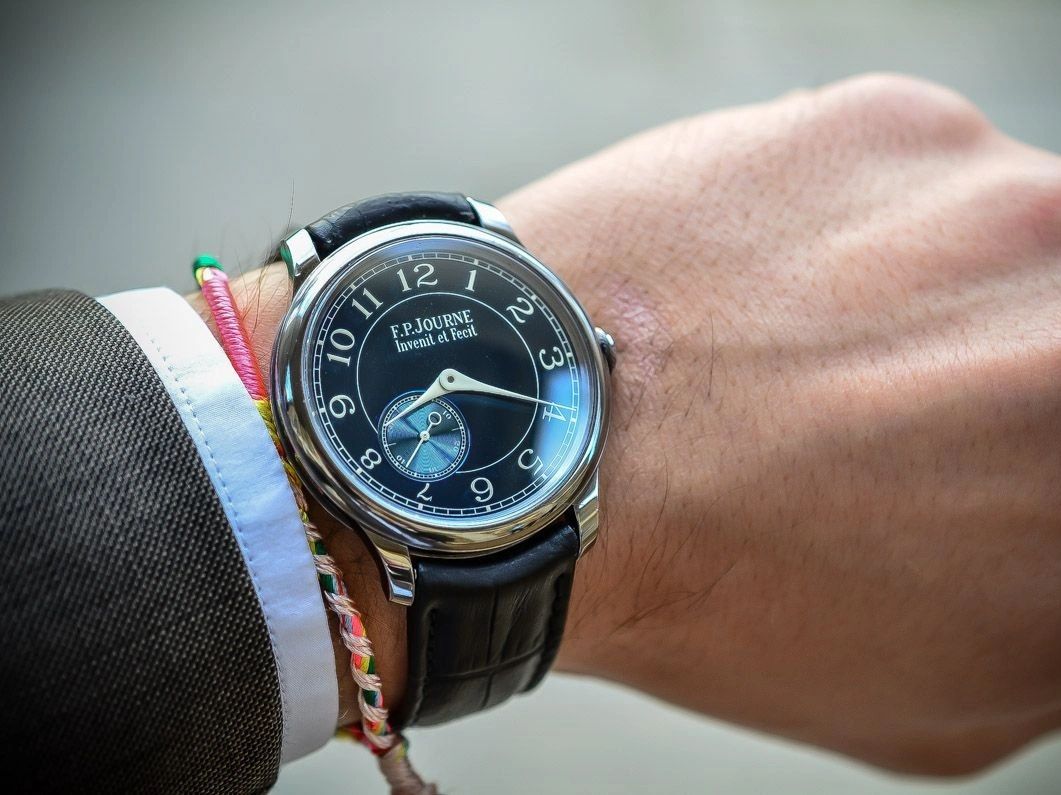
Journe has often said, “Invenit et Fecit”—Latin for “He invented it and made it.” This phrase, later engraved on every dial of his brand, is not marketing but a personal credo. Unlike many watchmakers who rely on established ébauches or subcontracted innovation, Journe insists on conceiving and constructing his movements entirely in-house.
This philosophy was not just about pride; it was about freedom. Journe believed that true watchmaking demanded autonomy—from conception to execution. His stubbornness would alienate some early employers and clients – arguably, it still does so today - but it also cemented his reputation as uncompromising. His focus was never on commercial viability but on horological truth: building the watch that he wanted to see, not the one that would sell easiest.
A Craftsman’s Struggle
The 1980s and 1990s were not an easy period for independent watchmakers. The quartz crisis had decimated the mechanical industry, and few believed there was a future for traditional timepieces. Journe spent much of this era building complicated movements for others, including brands and private clients, while slowly developing his own projects.
One famous example was a series of pocket watches he produced privately, including a resonance chronometer—a mechanism so rare and technically audacious that even seasoned horologists doubted its feasibility. Inspired by the 18th-century work of Antide Janvier, Journe built two balance wheels oscillating in resonance, stabilizing each other and improving accuracy. It was eccentric, impractical, and brilliant—exactly the kind of project that would define his career.
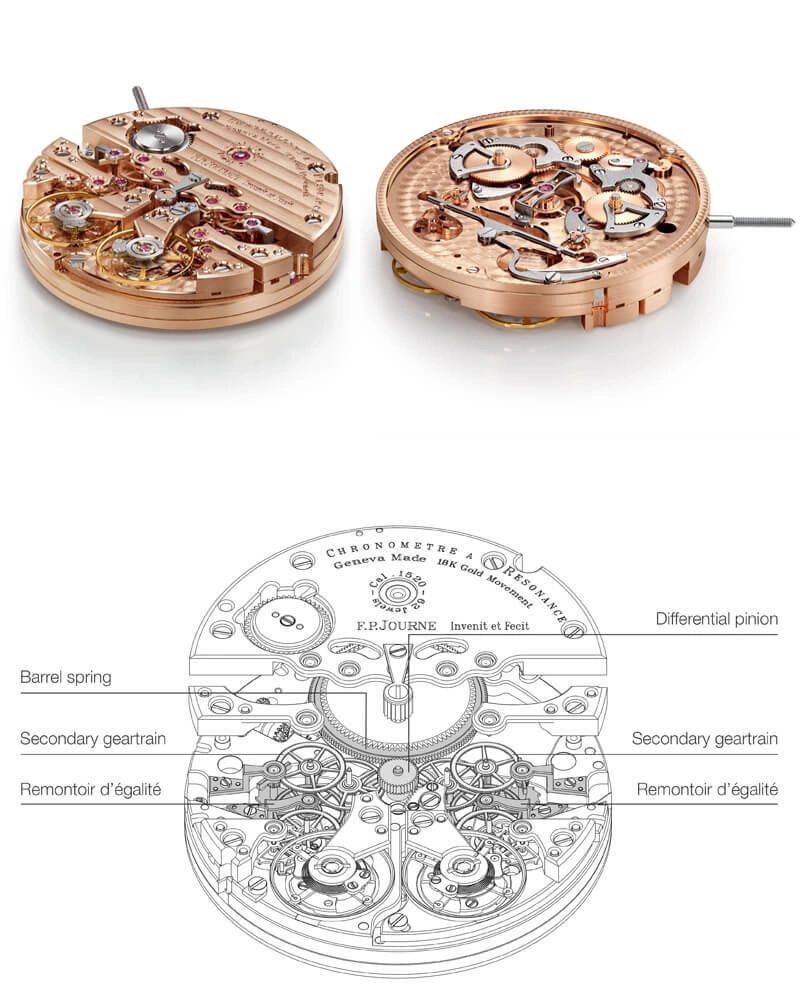
By the mid-1990s, Journe had enough confidence and recognition among collectors to begin contemplating his own brand. But he remained deeply skeptical of the commercial watch industry, which he saw as driven more by marketing than by horology.
The Launch of F.P. Journe
In 1999, in Geneva, François-Paul Journe officially launched his eponymous brand: F.P. Journe – Invenit et Fecit. Unlike many independents who leaned on external suppliers, Journe insisted on controlling every aspect of production, from movements to cases. His first wristwatch collection included the Tourbillon Souverain and the Chronomètre à Résonance—pieces that immediately set him apart.
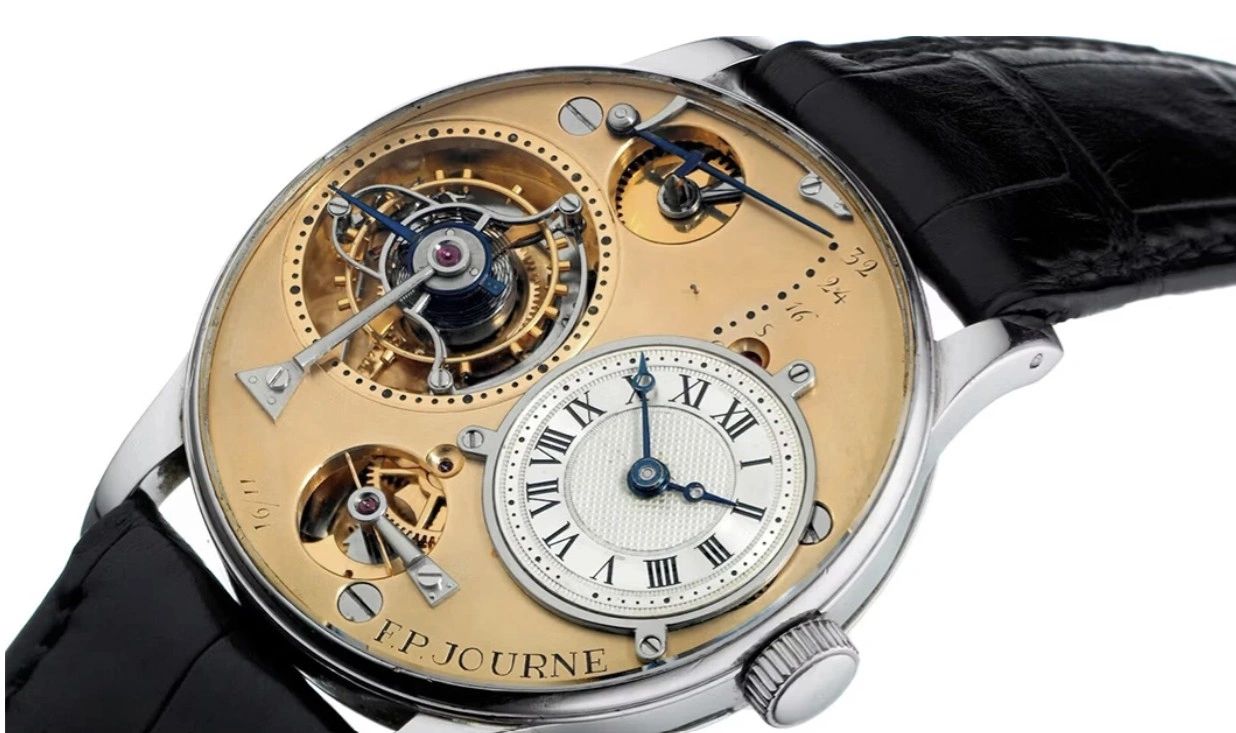
The decision to use precious metals like 18k rose gold for movements, rather than traditional brass, was a statement. It was not only aesthetically daring but a declaration of value and permanence. Journe wanted his watches to look as beautiful on the inside as on the outside.
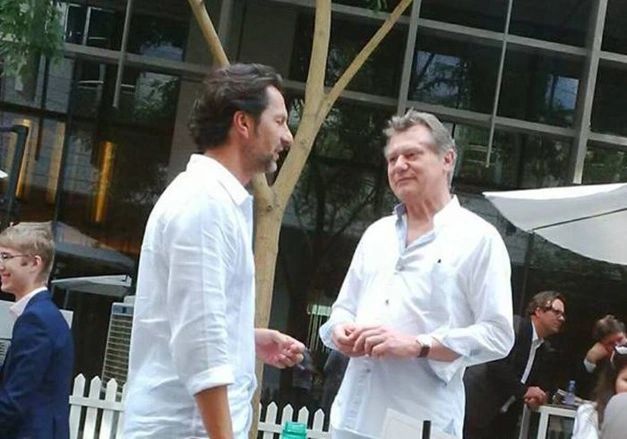
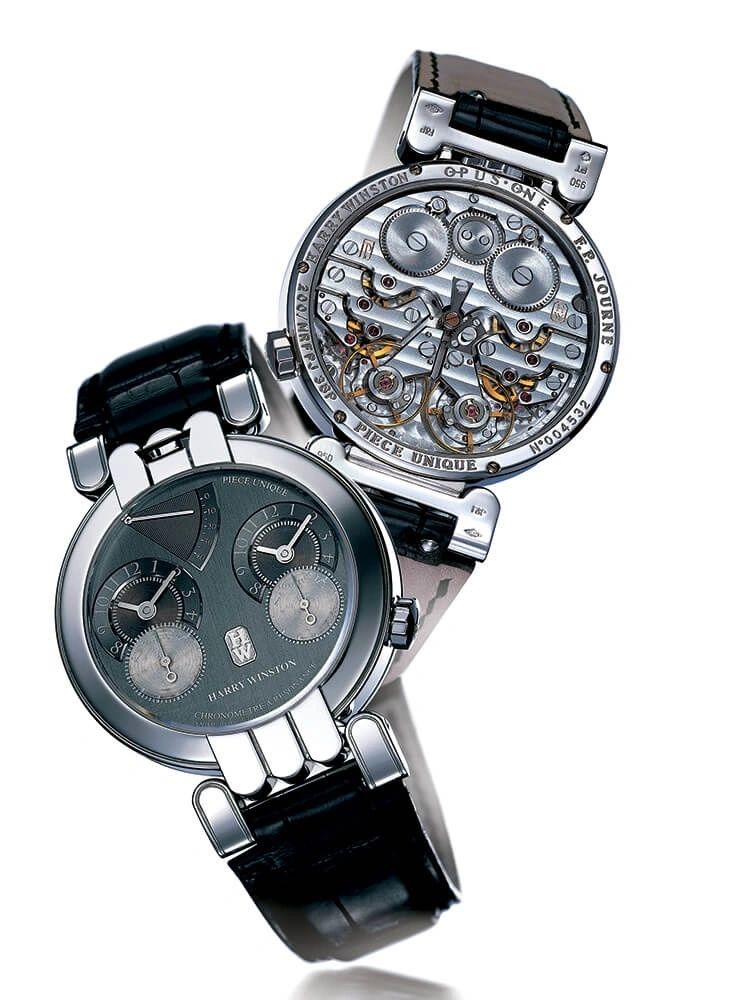
Before collectors took notice, Journe had to convince key retailers around the world to be willing to open their stores and carry his watches. It was a conversation with Maximilan Busser, who later went to create MB&F, that changed everything: Maximilian was running the Swiss timepiece division of America Jeweller Harry Winston. He was trying to elevate the brand’s penetration with true watch collectors – a mostly masculine crowd – but no serious watch person would give the brand a chance, as the horological pedigree was virtually inexistant. On the other hand, François-Paul did have the pedigree, but was not taken seriously by retailers who were not convinced on his ability to develop a brand from the ground up. This conversation that started on an escalator in BaselWorld was the start of one of the first ever collaboration in the watch industry: The Opus watch. The “Opus One” was developed jointly between the watchmaker and the business leader and was a smashing success. Harry Winston went on developing the same concept every year for over a decade, each time calling on a brilliant watchmaker, while François-Paul went on to develop his own eponymous brand. Maximilian, less than five years after went on to establish the concept he came up with as a brand: MB&F standing for Maximilian Busser and Friends.
Ultimately, within a few short years, Journe became the face of modern independent watchmaking—a movement that celebrated creativity, authenticity, and craftsmanship over scale, commanding the admiration of his clients, the respect of his peers and the support of the world’s best luxury watch retailers.
Journe the Man: Contradictions and Convictions
What makes Journe fascinating is not only his horological brilliance but his personality. He is famously blunt, sometimes abrasive, and utterly uninterested in pandering to trends. He dislikes marketing fluff, rarely minces words, and has a deep disdain for watches he considers gimmicks.
Yet he is also deeply human. Journe is a raconteur, a story-teller known to hold court at dinners with collectors, peppering technical discourse with biting humor. He is a man who reveres Breguet and Janvier yet dresses casually, a master watchmaker who speaks with the earthy tone of his Marseille roots rather than the polished language of Swiss luxury executives.
This combination of genius and irreverence has made him both respected and feared – is it the right word? - in the watch world. He is admired by collectors for his authenticity and occasionally resented by rivals for his uncompromising stance.
Notable Patrons and Collectors
From early on, Journe’s watches found their way to influential wrists. Renowned collectors such as John Goldberger and prominent figures in the Middle Eastern collecting scene became advocates, chief amongst which Dubai-based Lebanese collector and rainmaker Claude Sfeir.
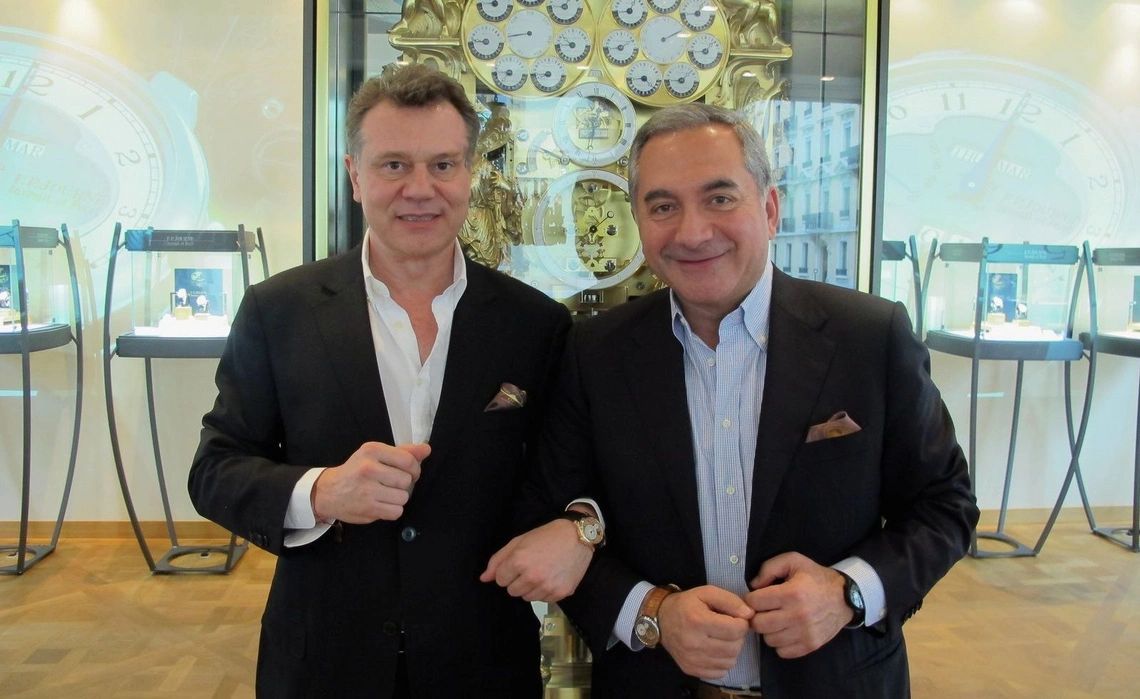
Celebrities, too, have been drawn to his work—not for showmanship, but for substance. Raphael, the Spanish singer, was among the early celebrity patrons. More recently, American comedian and actor Aziz Ansari has been spotted with a Chronomètre Bleu, while musicians such as Ed Sheeran have added Journe pieces to their collections. Unlike mainstream brands that chase endorsements, Journe’s clientele often discovers him quietly, through passion and connoisseurship. With the success of the brand today, even Celebrities and Tycoons have to wait for their turn to get the opportunity to acquire a Journe timepiece from the brand directly. It is no secret that most have to go to auction houses and reputable pre-owned watch dealers to acquire an FP Journe, and even then, it is often challenging to find the right piece.
Perhaps the most telling detail is that many watchmakers themselves—people who know the craft intimately—admire and even collect Journe’s work. Only watchmakers such as Philippe Dufour, Kari Voutilainen, Rexhep Rexhepi – or more recently Pascal Coyon – command that level of peer respect.
The Legacy Already Written
Although still very much active, François-Paul Journe’s legacy is already secure. His watches consistently reach stratospheric numbers at auction, with rare early models fetching multiples of their original retail. The Chronomètre Bleu, once an “entry-level” Journe at under $20,000, now trades easily at three to four times that figure on the secondary market. Limited editions like the “Souscription” series, offered to early supporters, are grail-level pieces worth hundreds of thousands today.
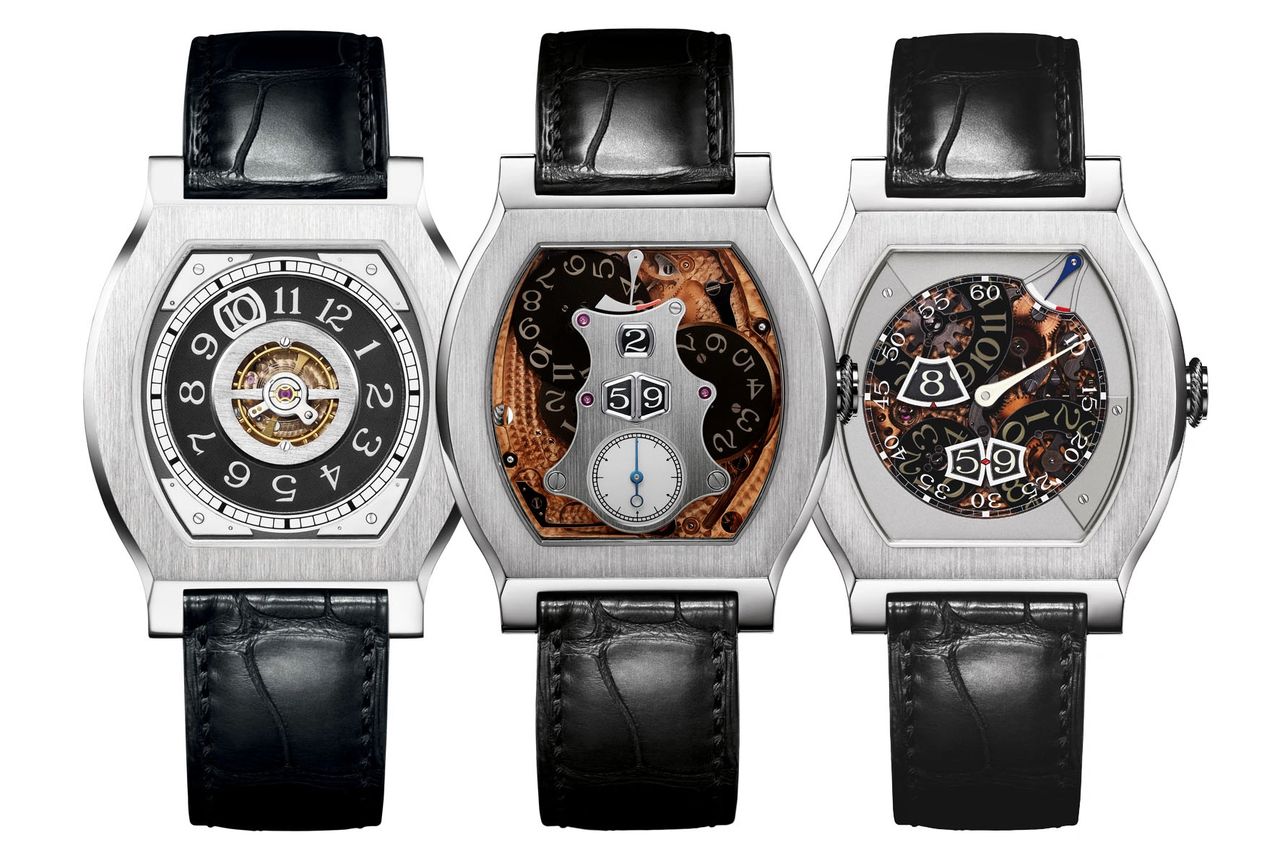
But Journe himself remains wary of the speculative frenzy. He has publicly expressed frustration that his watches are treated as commodities rather than instruments of horological appreciation. For him, the value of a watch lies in its mechanics and artistry, not its resale potential. Take the Vagabondage Trilogy, it is one of the most daring chapters in modern independent watchmaking. Conceived between 2004 and 2017, the series comprises the Vagabondage I, II, and III—each pushing the boundaries of time display with wandering digital hours, jumping minutes, and finally a jumping seconds complication. The trilogy has become a cult reference among collectors, not only for its technical audacity but also for its rarity and narrative coherence. Together, they are an eloquent testament to Journe's belief that watchmaking is both art and intellectual challenge.
The Man Behind the Machines
Journe still spends much of his time in his Geneva atelier, sketching, experimenting, and occasionally losing himself in the kind of technical puzzles that most watchmakers would never attempt. He is equally comfortable discussing gear ratios as he is reminiscing about the mentors who shaped him.
For all his success, he remains, at heart, a watchmaker—not a CEO. His company has grown carefully, with fewer than 1,200 pieces produced annually, a number that ensures exclusivity but also reflects his insistence on quality over scale. He is not chasing exponential growth; he is pursuing mastery.
In interviews, he often frames watchmaking not as an industry but as an art form—a cultural legacy that must be preserved against the tide of mass production and digital timekeeping.
Last words
François-Paul Journe is often described as one of the most important independent watchmaker of his generation. Yet he remains, in many ways, a reluctant revolutionary. He did not set out to build an empire or to disrupt an industry. He simply refused to compromise—to make the watch that others demanded instead of the one he believed in.
From Marseille troublemaker to Geneva master, his journey is proof that true artistry often comes from defiance. In a world where luxury is too often defined by marketing budgets and celebrity campaigns, Journe stands apart as a reminder that the soul of horology lies not in scale, but in the vision of one man at a workbench.
Journe has often remarked that he does not build watches for everyone. He builds them for those who “understand.” This exclusivity is not snobbery but a reflection of his view that watchmaking, at its best, is a dialogue between maker and connoisseur.
Article written by Omar, founder at The Watch Curators


