

Collection Privée Cartier Paris: A Decade That Changed Cartier
Collection Privée Cartier Paris
The Cartier story begins in 1847, when Louis-François Cartier took over a small Parisian workshop and set in motion a legacy that would soon define elegance on a global scale. When Louis-François Cartier’s grandsons took over the family business in the early 20th century, they divided responsibilities in a way that would shape Cartier’s global identity for decades. Louis remained in Paris as the creative force, designing the Santos and Tank while pushing Cartier’s avant-garde aesthetic. Pierre established Cartier New York as the jewel of Fifth Avenue, securing the maison’s foothold in America and looking after some of its most legendary clients. Meanwhile, Jacques directed Cartier London, cultivating ties with the British royal family and expanding the maison’s influence across the Commonwealth, in particular within the Sheikhdoms of Arabia and British India .
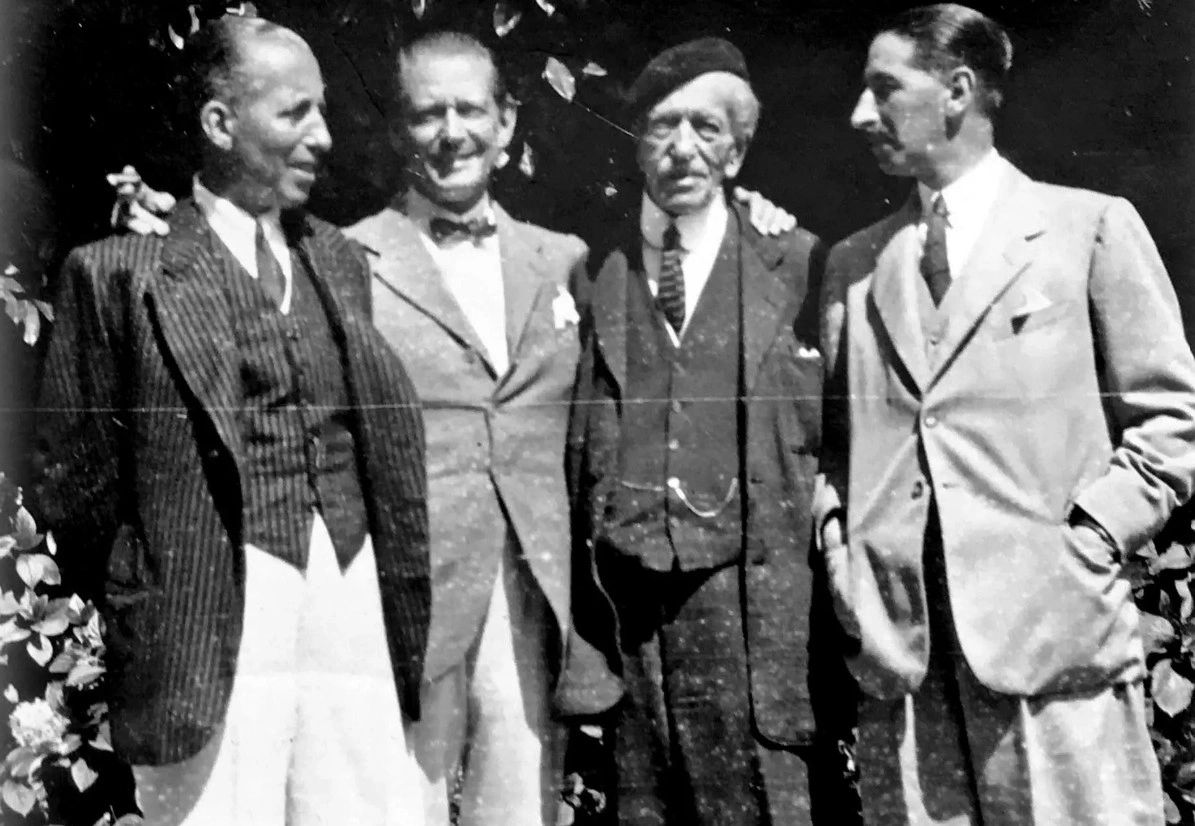
This tri-continental stewardship became known as the “Cartier Trilogy”—three brothers, three cities, and one shared vision. It allowed Cartier to transcend its Parisian roots and establish itself as a truly international house, with a consistent language of design and prestige that still resonates in its watchmaking legacy today.
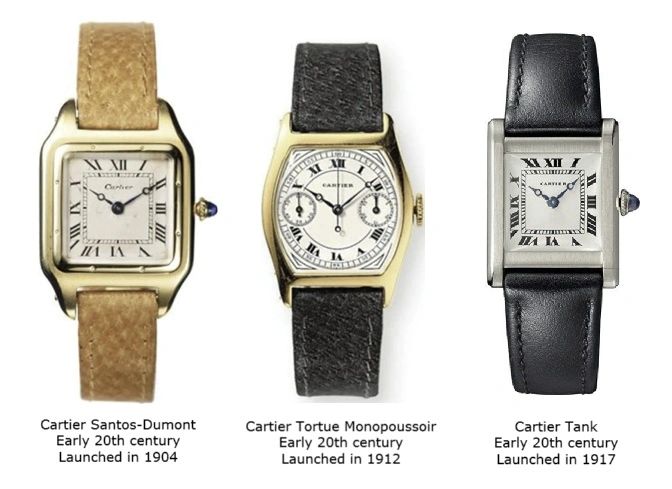
Watches entered Cartier’s universe not as an afterthought, but as an extension of this design ethos. In 1904, Louis Cartier crafted the Santos-Dumont for his aviator friend Alberto Santos-Dumont, pioneering one of the world’s first purpose-built wristwatches. This was followed by shaped icons such as the Tortue (1912) and the Tank(1917), each redefining what a wristwatch could look like. From the start, Cartier positioned itself apart—not by emphasizing mechanical innovation alone, but by making watch design itself a form of artistry. It was precisely this philosophy that the Collection Privée Cartier Paris (CPCP) would later revisit, reasserting Cartier’s place in the conversation among serious watchmakers.
A Mechanical Renaissance at Cartier
In the late 1990s, Cartier faced a dilemma. It was universally admired as a jeweler, but its reputation as a true watchmaker had waned during the quartz boom of the 1970’s and 1980’s. To change this perception, the Maison launched the Collection Privée Cartier Paris(CPCP) in 1998. The idea was straightforward but ambitious: reintroduce Cartier as a serious horological force by reviving its most iconic case designs in precious metals, equipped with finely finished, mostly hand-wound movements supplied by the likes of Jaeger-LeCoultre, Piaget, Frédéric Piguet, and the THA collective (a young trio led by the legendary François-Paul Journe).
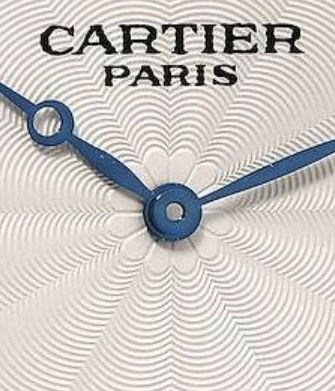
These watches were instantly recognizable thanks to their hallmarks: “Cartier Paris” stamped dials with delicate guilloché rosettes at the center, historically faithful case proportions, and meticulous finishing. In effect, CPCP reminded collectors that Cartier had not only shaped the history of design but could also meet the highest standards of traditional watchmaking.
Icons Reimagined
From the outset, the CPCP’s catalogue read like a greatest-hits collection. The Tank Cintrée returned in slim, curved form; the Tank à Guichets revived Cartier’s radical 1928 jumping-hour design; and the Tortue Monopoussoir Chronograph, with its superb movement developed by THA*, brought back the single-button chronograph of the 1920s.
Cartier didn’t aim for carbon-copy reissues. Instead, each piece was imagined as a modern reinterpretation—proportions and dial aesthetics faithfully respected, but with updated mechanics and modern durability. Every watch was a discreet statement: a shaped case from Cartier, powered by calibres normally reserved for haute horlogerie insiders.

Ten Years of Quiet Prestige
Over its decade-long run, CPCP remained selective. Watches were offered in small numbers, typically in gold or platinum, sometimes with subtle dial variations or two different sizes. While CPCP timepieces were far from an immediate hit, over the years collectors came to appreciate the restraint: CPCP felt curated rather than mass-produced.
By 2008, however, the collection reached its end. Cartier had succeeded in re-establishing its horological credibility, and Richemont was investing heavily in building Cartier’s own manufacture in La Chaux-de-Fonds. The Maison shifted focus to the Fine Watchmaking Collection, centered on in-house complications such as flying tourbillons. CPCP had achieved its mission—now Cartier wanted to prove it could stand on its own technical foundations.
Exclusivity in Presentation
Unlike Cartier’s mainstream collections, CPCP pieces were presented and sold with a deliberate sense of exclusivity. Each watch came in a distinctive red leather presentation box lined with cream leather, often larger and more ornate than standard Cartier packaging, signaling that these were not ordinary catalog models. Inside, the paperwork was equally telling: certificates and booklets printed with the CPCP insignia, usually stamped “Collection Privée Cartier Paris,” underlined the program’s special status within the Maison.
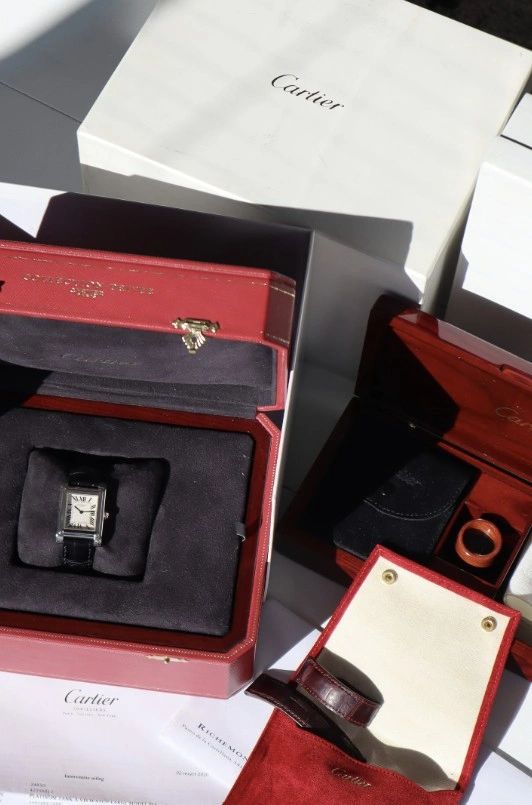
In the very first years of CPCP (1998–1999), some models still appeared without the now-familiar features—such as the guilloché rosette dials or the “Cartier Paris” signature—making these early examples feel transitional. By the early 2000s, however, the visual language of the collection had been firmly established, with consistent hallmarks that became instantly recognizable to collectors. These earlier CPCP examples are a lot rarer and therefore highly appreciated amongst collectors, especially when found as complete sets.
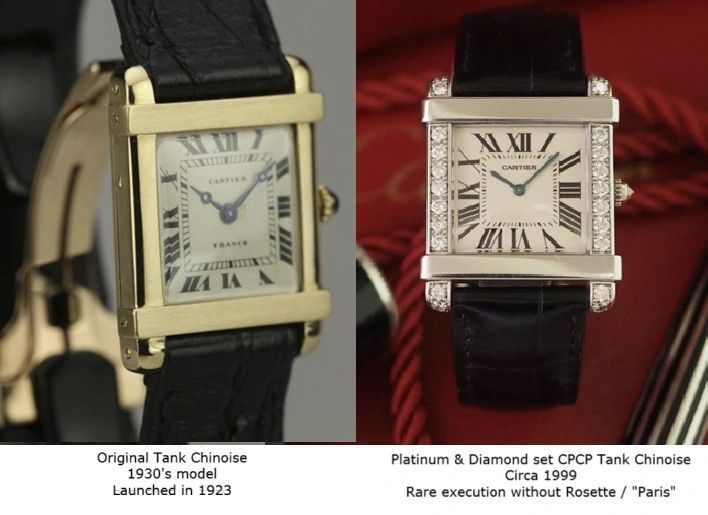
Cartier also limited distribution to its own boutiques and select points of sale, ensuring that CPCP watches reached collectors in a tightly controlled manner. Many models were produced in small, numbered runs, sometimes under 300 pieces, and always in precious metals. Features such as hand-guilloché dials, “Cartier Paris” signatures, and sapphire casebacks revealing Geneva-finished movements served as subtle but meaningful markers. Together, these details elevated CPCP beyond a product line—it was positioned as a connoisseur’s collection, sold not with fanfare but with a quiet nod to those who knew.
Cartier Privé: The Contemporary Revival
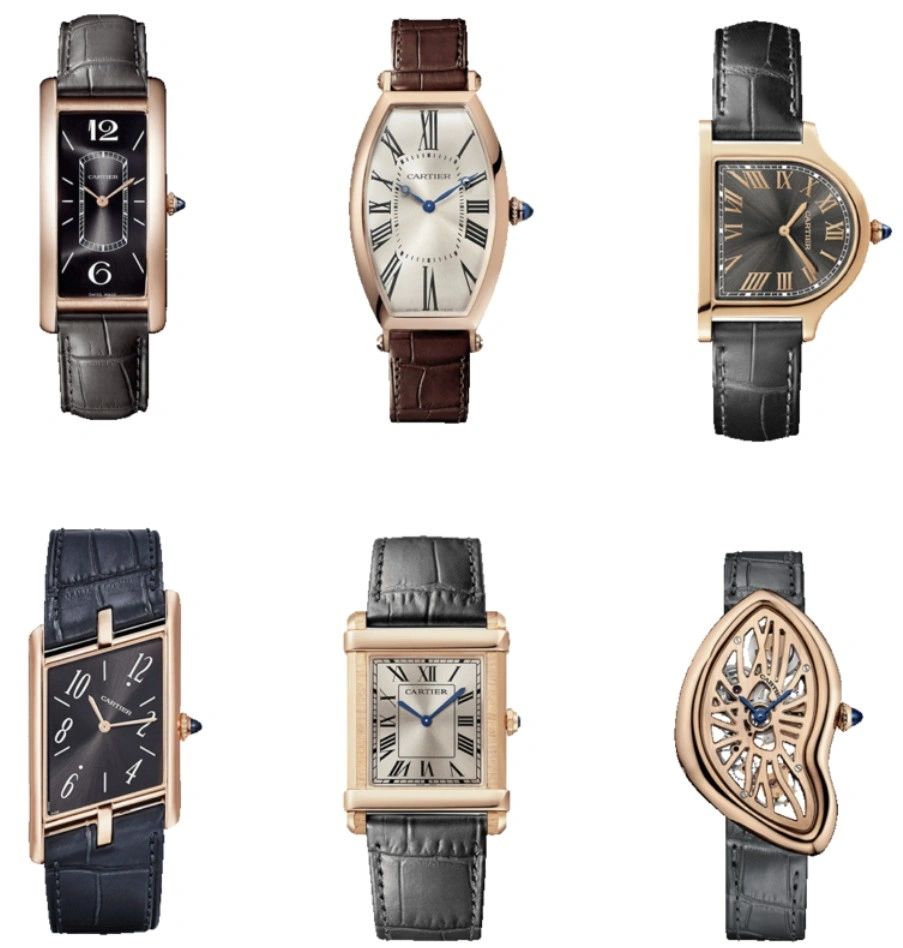
Nearly a decade later, Cartier revived the spirit of CPCP with a new label: Cartier Privé. Launched formally in 2017 with the Tank Cintrée, Privé follows a different rhythm. Each year, the Maison presents one iconic case design in limited runs, often in several variations: classic precious-metal models, skeletonized executions, or pieces fitted with modern calibres from Cartier’s manufacture.
Since then, the releases have become an annual event eagerly anticipated by collectors. The Tank Asymétrique (2020), Tank Normale (2023), and Tortue Monopoussoir (2024) all reaffirmed Cartier’s mastery of shaped watchmaking. In 2025, the Tank à Guichetsreturned under the Privé banner, creating a direct line back to one of the most distinctive CPCP designs.
Continuity and Contrast
CPCP and Cartier Privé share a common spirit but reflect different eras:
- CPCP (1998–2008): Outsourced calibres from elite movement makers; Paris-signed guilloché dials; an almost connoisseur-only collection. It was about proving Cartier belonged in the conversation with traditional Swiss houses.
- Cartier Privé (2017–present): A more structured, annual program highlighting one historic case each year; use of Cartier’s own calibres; and a communication strategy that openly markets these as the collectors’ line.
What unites them is Cartier’s unwavering belief in the power of form watches. Few maisons can claim such a catalogue of enduring silhouettes, and both CPCP and Privé demonstrate how revisiting those designs, with integrity, can make them as compelling today as when they first appeared a century ago.
A Lasting Legacy
The Collection Privée Cartier Paris may have lasted just ten years, but its impact was profound. It re-established Cartier as a maker of serious mechanical watches, set the stage for its manufacture era, and created a suite of collectible pieces that remain highly sought after today.
Cartier Privé, meanwhile, carries the torch—one carefully chosen shape at a time—proving that the most modern move Cartier can make is to honor its own past. For collectors, both then and now, these watches are not just timekeepers but enduring expressions of design, discretion, and horological credibility.

Article written by Omar, Founder of The Watch Curators


