

New Chapter in Horology
For decades, the luxury watch industry was the guarded domain of a few historic maisons. Breguet, Patek Philippe, Jaeger-LeCoultre, and their peers dictated taste, supply, and prestige, leaving little room for outsiders. But the last fifteen years have seen a quiet revolution: the rise of microbrands.
Often born online or through Kickstarter campaigns, microbrands operate on small scales, speak directly to collectors, and thrive on design freedom. While most position themselves in the affordable or mid-tier space, a select few have begun venturing into the realm of true luxury—challenging old assumptions about legitimacy, value, and what it means to be a watch brand today.
What Makes a Microbrand?
The term microbrand usually refers to small, independent companies producing limited runs and selling primarily direct-to-consumer. They lean heavily on e-commerce and social media, often with founders personally engaging customers and collectors alike. Unlike traditional independents such as F.P. Journe, MB&F, or Kari Voutilainen, microbrands tend to start with more accessible price points and modest ambitions.
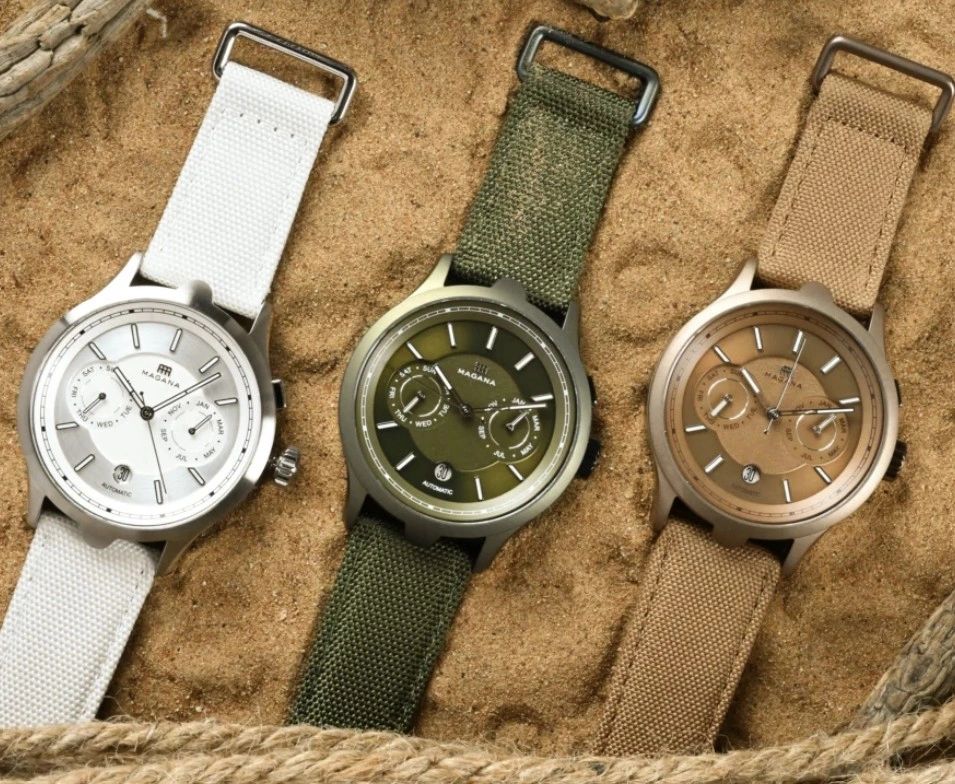
Crucially, many are born outside the traditional industry and outside Switzerland altogether. MAGANA, for instance, was founded in Dubai; Radcliffe traces its roots to Oxford; Baltic emerged from Paris. These watches carry the spirit of their birthplace as much as their mechanical pedigree, giving them a distinct cultural edge compared to Geneva’s historic maisons.
But accessibility doesn’t mean lack of imagination. Freed from legacy constraints, microbrands often experiment with daring colors, revived vintage designs, and storytelling rooted in culture, travel, or personal passion. It is precisely this freedom that has captured a new generation of enthusiasts.
The Kickstarter Effect
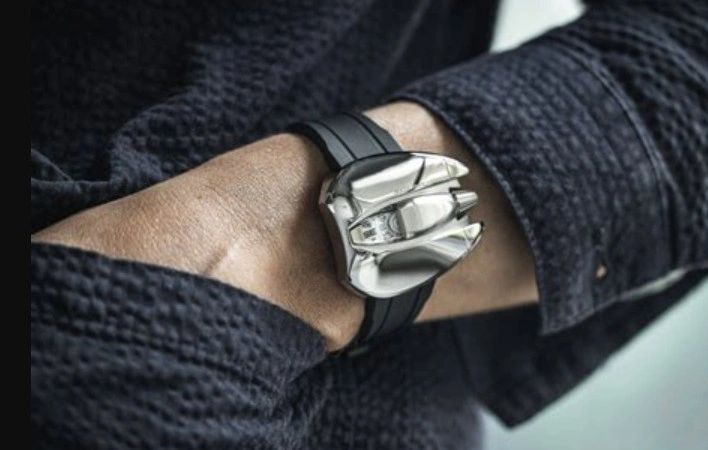
Crowdfunding played a crucial role in sparking the microbrand boom. Around 2012, projects like Helgray or Straton proved that watch enthusiasts would back bold ideas before they even existed. Platforms like Kickstarter turned early customers into co-creators, building communities around shared excitement.
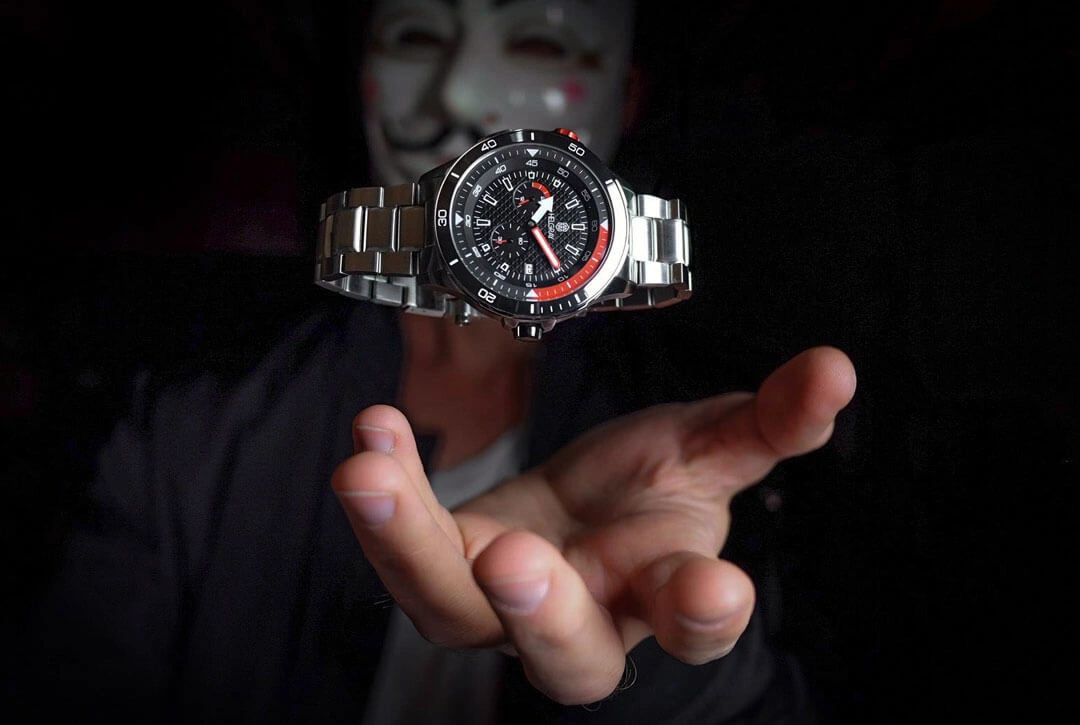
This model also lowered barriers to entry. Instead of navigating retailers or securing big investors, founders could launch with a prototype, compelling visuals, and a story. The result was an explosion of creativity that bypassed traditional industry gatekeepers.
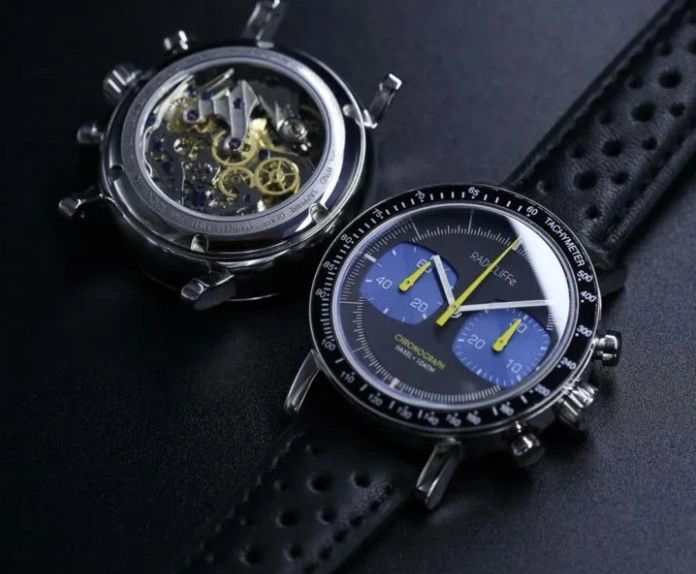
Because most of these ventures are bootstrapped start-ups, their founders quickly learn how to be efficient, creative, and resilient. They make tough choices about supply chains, marketing, and customer service—developing agility that even established luxury players could learn from.
Storytelling and Value
If one theme unites microbrands, it is storytelling. Brew Watches, for example, draws inspiration from espresso machines and café culture. Baltic, launched from Paris in 2017, channels mid-century chronographs and divers with remarkable fidelity. Ming, founded by collector-photographer Ming Thein, blends Swiss craft with a contemporary design ethos that has captivated seasoned enthusiasts. MAGANA, this humble writer’s own microbrand, was launched to promote slow living and the idea of spending time consciously on what and who matters most.
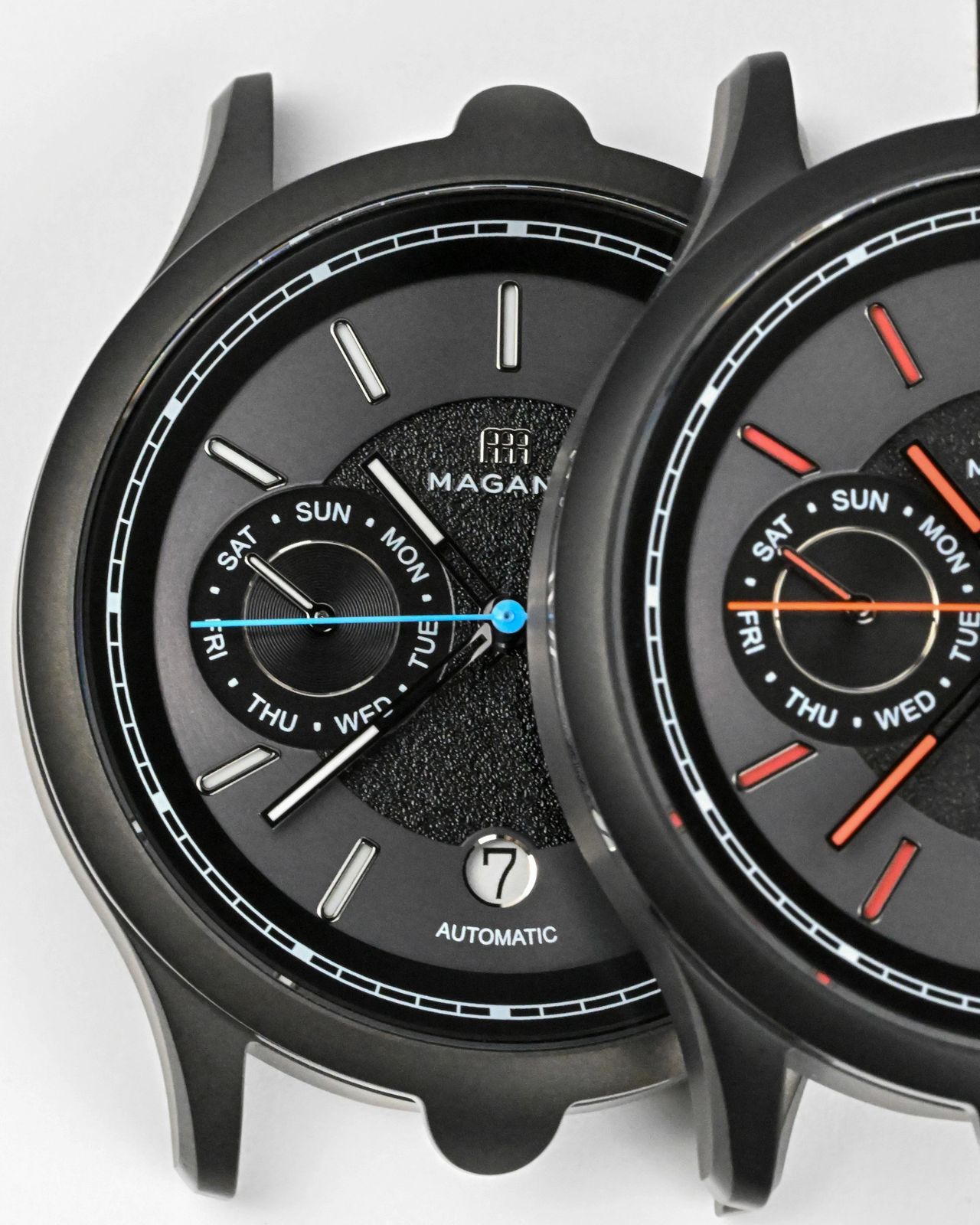
These narratives resonate in ways corporate advertising often cannot. They’re authentic, personal, and tailored for a generation that values connection as much as product.
Value is another core appeal. By selling directly, microbrands often deliver mechanical movements, sapphire crystals, and premium finishing at prices far below established competitors. A steel dive watch might sell for under $1,000 from a microbrand, compared to $5,000 or more from an established legacy brand. In an age when entry-level luxury feels increasingly out of reach, this equation is hard to ignore.
Microbrands in the Luxury Space
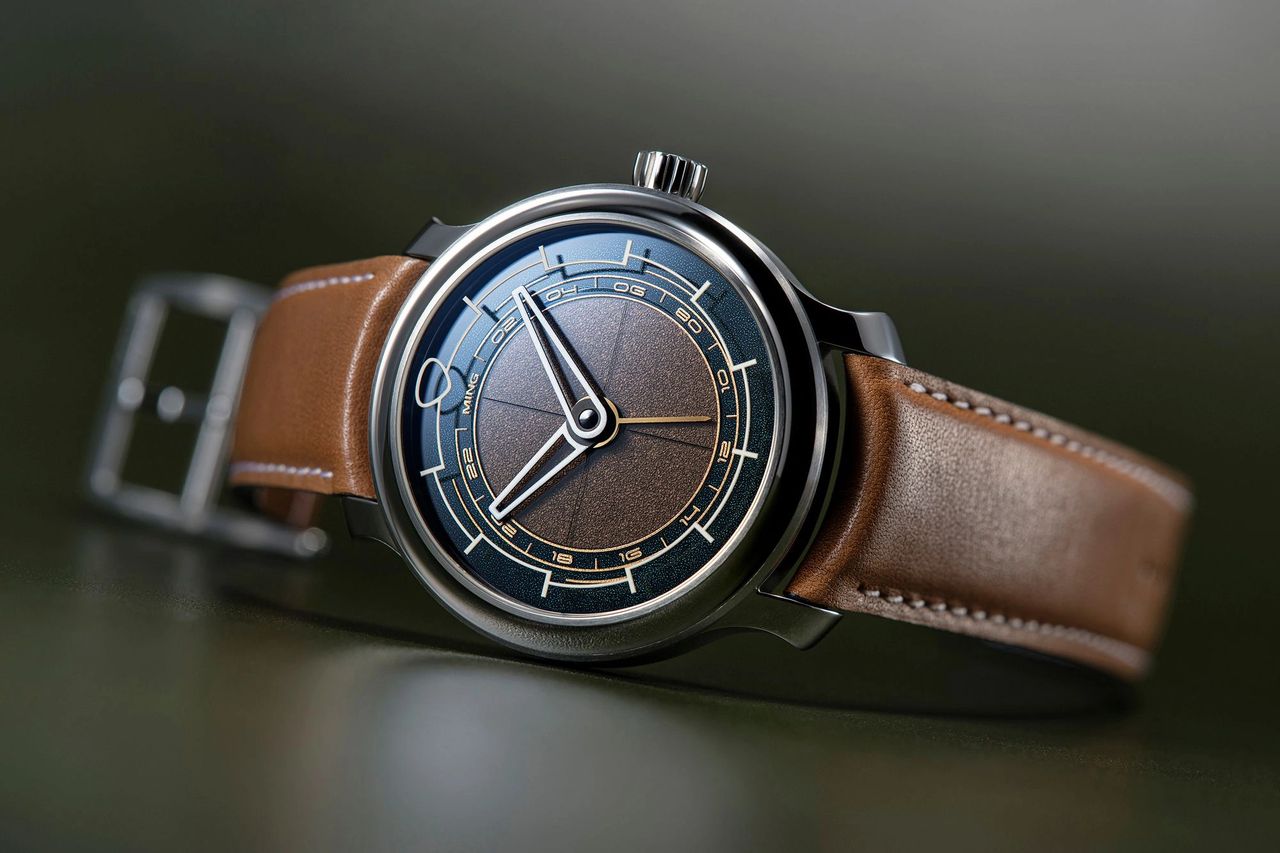
Most microbrands remain in the accessible tier, but some have pushed higher. Ming is perhaps the most notable example. Founded in 2017, it quickly earned credibility with collectors through thoughtful design and partnerships with respected Swiss suppliers. Today, some Ming models sell in the $10,000 range and trade above retail on the secondary market. Sartory-Billard is also making strides in that range by offering highly customizable timepieces to its clientele.
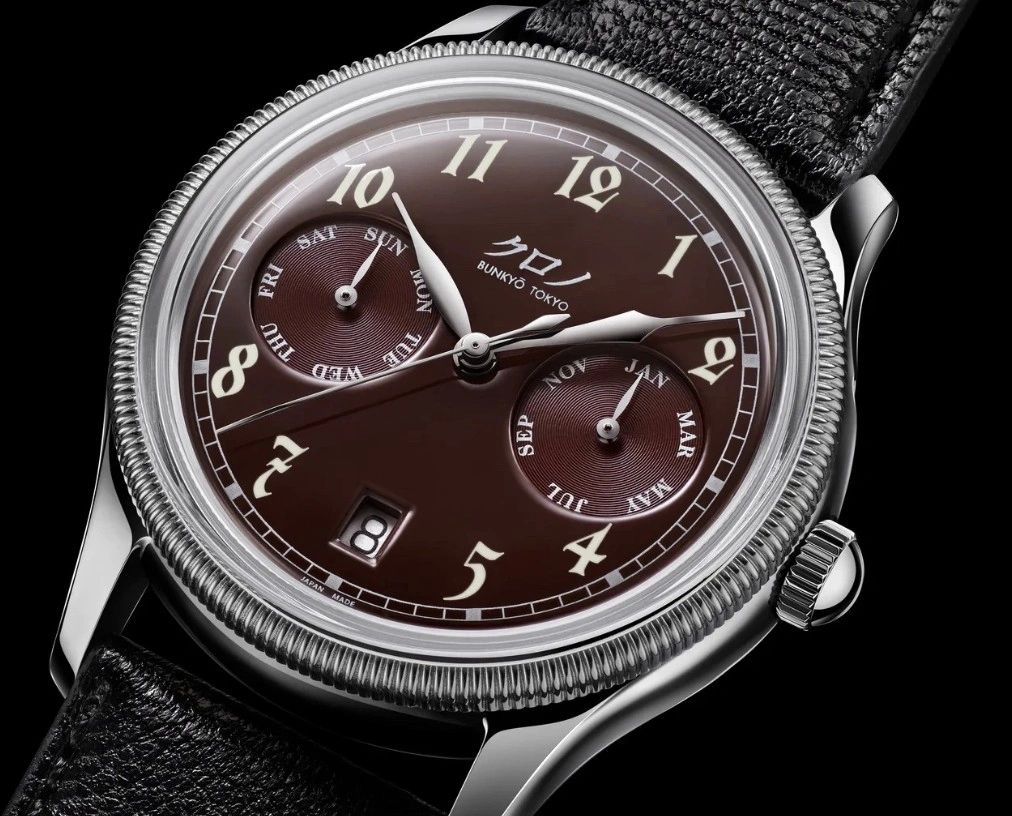
Kurono Tokyo, created by Japanese independent watchmaker Hajime Asaoka, offers another fascinating case. Though priced below his atelier’s six-figure creations, Kurono watches embody Asaoka’s design DNA and sell out within minutes, sometimes fetching premiums at auction.
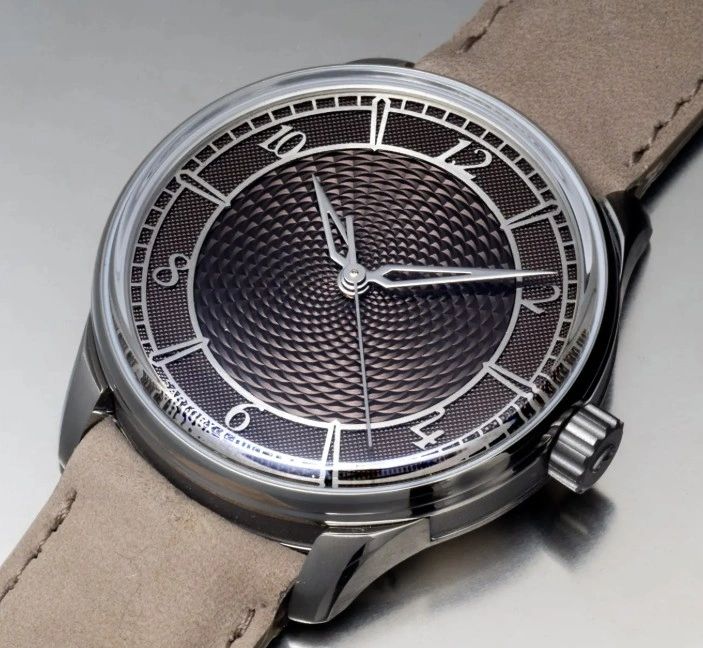
These examples prove that microbrands can transcend affordability and enter the conversation about contemporary luxury. Yet the transition isn’t easy.
Challenges on the Path Upmarket
For a microbrand to succeed in luxury, it must overcome several hurdles:
- Legitimacy: Convincing collectors to spend up to five figures on a new name is far harder than offering them an affordable novelty. Trust must be earned over years, and there are no shortcuts.
- After-Sales: Luxury buyers expect flawless service worldwide. For lean teams, building that infrastructure is daunting. This is one of the reasons why most microbrands use established and reliable movements from the likes of Soprod (Swiss) or Miyota (Japan)—calibres most competent watchmakers can service.
- Recognition: Many buyers enjoy the occasional “flex.” If a watch isn’t recognizable by fellow hobbyists, its appeal can diminish.
These are precisely the areas where heritage brands excel. Yet microbrands can offset their disadvantages with agility, transparency, and closer community ties. How often does a watch-buyer who spends under $3,000 get the chance to casually chat with the brand’s founder?
Lessons for the Industry
The microbrand movement has important lessons for established players. First, direct engagement with collectors matters. Microbrands thrive on Instagram, forums, and newsletters—spaces where big brands often feel distant. Second, transparency builds loyalty. Many microbrands openly share details about suppliers, production runs, and margins, while heritage houses remain opaque.
Finally, microbrands remind us that storytelling, not scale, is what captures hearts. A watch inspired by café rituals, mid-century Paris, or the vision of a passionate founder can resonate as powerfully as a century-old archive piece.
The Collector’s View
For many collectors, microbrands serve as entry points into mechanical watchmaking, offering individuality without breaking the bank. For seasoned enthusiasts, luxury-leaning microbrands like Ming or Kurono signal insider taste—a quiet nod to connoisseurship beyond Rolex waitlists or Patek allocations.
The community aspect is equally vital. Buying a microbrand watch can feel like supporting a friend’s vision rather than a corporation’s balance sheet. That intimacy gives collectors a sense of belonging few big maisons can replicate.
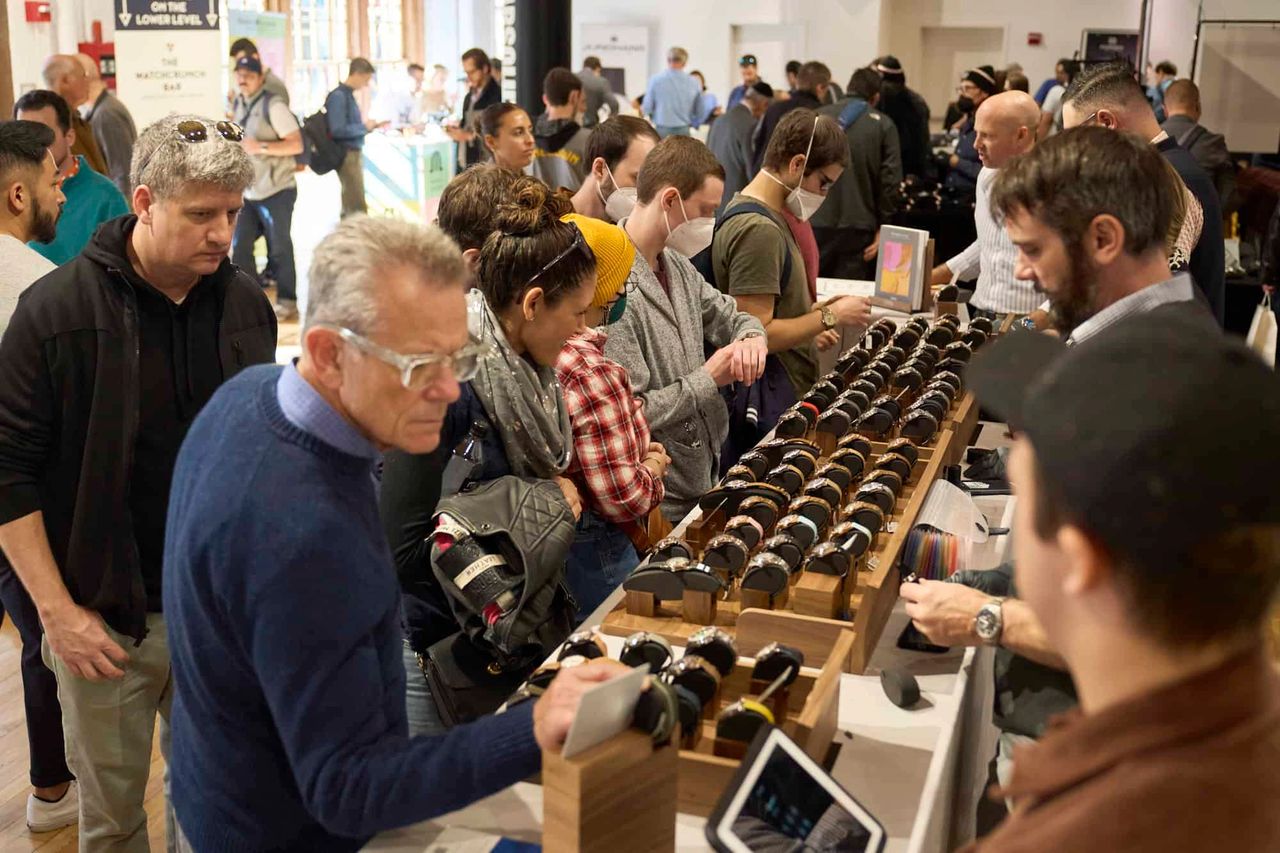
It is no surprise, then, that dedicated exhibitions for microbrands are multiplying. Shows like Windup Watch Fair (New York, San Francisco, Chicago), MicroLux (Los Angeles, Chicago), and Dubai Watch Week’s “Independents” platform have become vital meeting points. The latest addition, Timezones, will debut in Dubai in November 2025, underscoring how global—and important—this segment has become.
Conclusion: Democratizing Luxury
The rise of microbrands has democratized horology. What began as a wave of Kickstarter projects has matured into a movement reshaping expectations of design, value, and authenticity. Not all will survive, and few will rival the global reach of Rolex or Omega. But those that endure may well become the cult classics of tomorrow.
In a world where luxury can sometimes feel impersonal, microbrands remind us that watchmaking is still, at its best, a dialogue between passion and craft. And whether at $500 or $15,000, that spirit of independence is proving to be the industry’s most precious commodity.
Article written by Omar, founder at The Watch Curators and of MAGANA (www.maganawatches.com)


