

A Bold Legacy
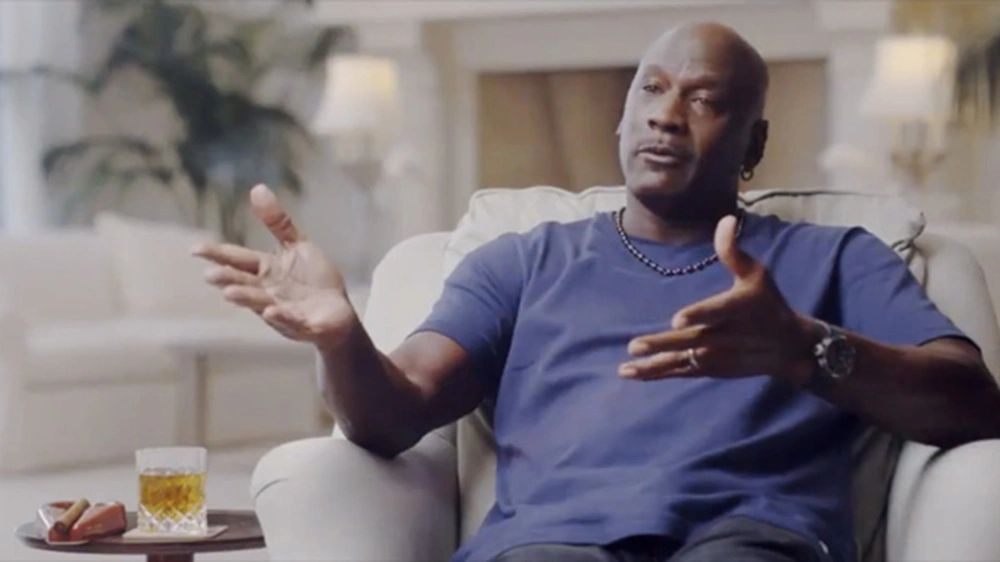
Roger Dubuis timepieces are instantly recognizable for their technical prowess, bold aesthetics, and commanding wrist presence. In 2020, the Netflix docuseries The Last Dance, chronicling basketball legend Michael Jordan, inadvertently spotlighted the brand. Jordan and his former Chicago Bulls teammates were seen wearing the Excalibur Skeleton and Excalibur Skeleton Double Tourbillon, showcasing watches not for the faint of heart. Meanwhile, collectors have increasingly sought early Roger Dubuis models, which differ starkly from the modern, Excalibur-dominated lineup, gaining favor among respected pre-owned watch dealers. How did a brand founded in 1995 achieve cult status for its early creations, experience a meteoric rise, face near collapse, and rise again like a phoenix? This is the story of Roger Dubuis.
Roger Dubuis Before the Brand
Behind Roger Dubuis the brand were two visionaries: Roger Dubuis, the master watchmaker who lent his name and horological expertise, and Carlos Dias, the marketer who transformed that expertise into a global success.
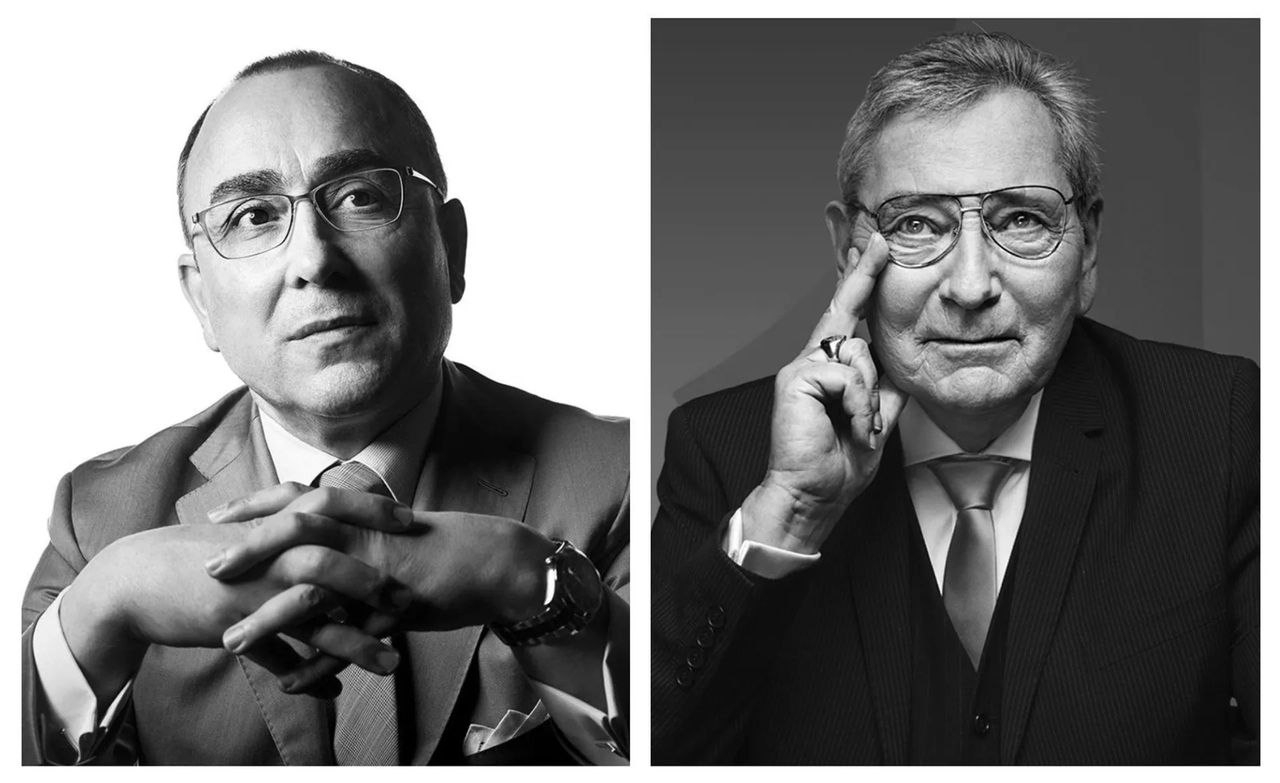
Born in 1938, Roger Dubuis began his watchmaking career at 20 with Longines in Saint-Imier, Switzerland. From 1958 to 1966, he worked in the after-sales service department, initially as an assistant, later specializing in chronograph maintenance and repair. Despite the modest scale of Longines’ operations at the time, the variety of chronograph movements he serviced—each with unique challenges—honed his skills. This repetitive practice cemented a core principle: mastery of complications requires relentless dedication.
From 1966 to 1980, Dubuis refined his craft at Patek Philippe, a leader in elegant, complicated timepieces. Working in the high complications department, he described this period as profoundly formative, shaping his philosophy of haute horlogerie. The 1970s and 1980s brought the quartz crisis, threatening Swiss mechanical watchmaking. Like his contemporaries François-Paul Journe and Franck Muller, Roger Dubuis established an independent atelier, focusing on restoring and repairing vintage watches and clocks. This work required crafting components no longer available, deepening his expertise. During this time, he developed his first module—a retrograde perpetual calendar atop an existing ébauche—alongside other complications like chronographs, monopusher chronographs, and annual calendars. His signature retrograde indications became a hallmark of his designs.
In the early 1990s, Roger Dubuis met Carlos Dias, a former Franck Muller employee with a bold vision for a watch brand. In 1995, they founded Société Genevoise des Montres (SOGEM), later renamed Manufacture Roger Dubuis, marking the birth of the Roger Dubuis brand.
The Early Days
The mid-1990s marked a renaissance for Swiss mechanical watchmaking. Iconic models like Audemars Piguet’s Royal Oak Offshore (1993), Patek Philippe’s Aquanaut (1997), and François-Paul Journe’s eponymous brand (1999) emerged, fuelling industry growth until the 2008–2009 financial crisis. Roger Dubuis and Carlos Dias leveraged their complementary strengths—Dubuis’ technical mastery and Dias’ marketing and business acumen—to create one of the era’s most sought-after watchmaking teams.
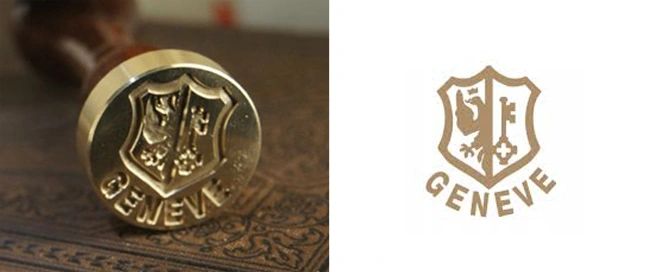
From the outset, they aimed to produce exceptional timepieces with the highest finishing standards, all bearing the prestigious Poinçon de Genève (Geneva Seal). This hallmark, previously awarded to select watches by heritage brands like Patek Philippe and Vacheron Constantin, certified the exceptional quality of movement finishing. Remarkably, Roger Dubuis became the only brand to apply the Poinçon de Genève to 100% of its mechanical timepieces, a feat unmatched before or since. However, the seal focuses on aesthetic finishing, not timekeeping accuracy. To ensure precision, Dubuis also pursued the rare Bulletin de Marche certification from France’s Observatoire National de Besançon, a more prestigious alternative to the more common COSC certification.
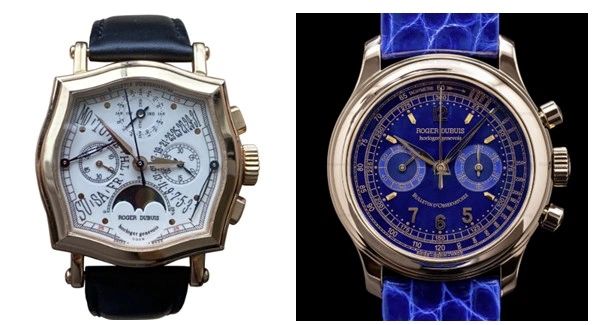
The brand debuted with two distinct collections: the Sympathie, with its unique, cushion-shaped case, and the classical Hommage, a tribute to traditional round-case watchmaking. These appealed to diverse audiences—collectors seeking bold innovation and those valuing timeless elegance—despite relying on ébauches like the Lemania 2310, used by other prestigious brands.
Manufacture Roger Dubuis
The brand’s success enabled Dubuis and Dias to establish a state-of-the-art manufacture in Meyrin, Geneva, in 2001. A short while afterwards, Mr Dubuis, nearing 65 and facing health challenges, retired in 2003, leaving a skilled team of watchmakers and designers to carry his legacy. Carlos Dias’ genius lay in his holistic understanding of the luxury watch industry. He prioritized marketing, targeting bold, independent collectors seeking exclusive timepieces. To maintain control over quality, he verticalized production, equipping the manufacture with in-house machines to craft plates, bridges, screws, and even hairsprings—a rare achievement. The brand also established an enamel dial studio for customization, ensuring every watch met the Poinçon de Genève’s rigorous standards.
To preserve exclusivity, Roger Dubuis limited editions to 28 pieces, a nod to Dubuis’ lucky number 8. This necessitated constant innovation. The manufacture developed over 20 in-house movements in its first 15 years, including the RD14 and RD21 automatic movements, the RD78 and RD79 flyback chronographs, the RD03 tourbillon, RD01 double tourbillon, and RD1429 perpetual calendar. New collections reflected evolving tastes: the oversized rectangular MuchMore, the feminine TooMuch, the sporty EasyDiver, the bold GoldenSquare, and the iconic Excalibur, launched in 2005.
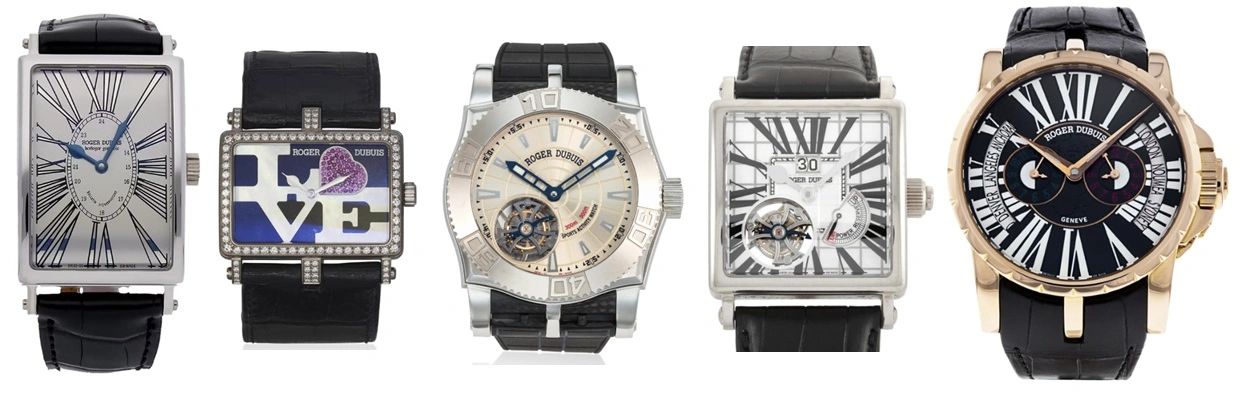
Dias’ vision extended to retail, with standalone boutiques opened in Geneva’s Rue du Rhône and Dubai, the latter in partnership with Syrian businessman Akram Al Jord, a former distributor for Cartier and Piaget and investor in Hysek. To meet demand, the brand introduced steel models in larger runs (280 or 888 pieces), but maintaining Poinçon de Genève standards strained finances. Attempts to launch jewelry lines and premature releases, like an untested double tourbillon, hinted at overextension.
The Richemont Era
In 2007, at Geneva’s SIHH, the ancestor of today’s Watches & Wonders, the brand unveiled the Excalibur Double Tourbillon Retrograde, a technical marvel that caught everyone’s attention. However, its premature presentation—before successfully passing quality controls—reflected the financial pressures Carlos Dias was under. Simultaneously, acquisition talks with the Richemont Group were underway. In August 2008, Richemont acquired controlling interests of the brand, with Mr Al Jord – who invested into the brand against distributorship rights for the Middle East region, retaining a sizeable chunk until 2016. For the group, the timing was unfortunate; the Lehman Brothers collapse in September 2008 triggered the global financial crisis, impacting everyone everywhere and of course, the luxury industry as a whole.
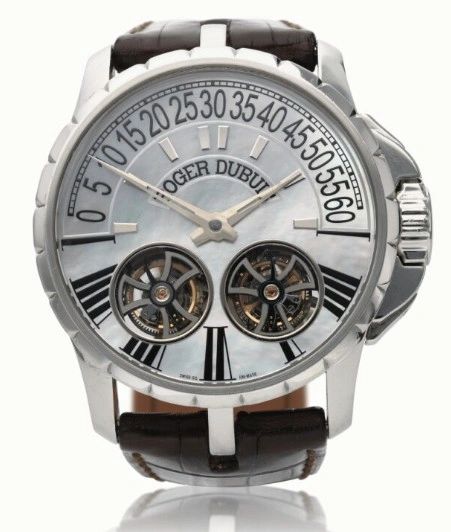
Richemont restructured Roger Dubuis, introducing new leadership. They began by appointing Mr Mathias Schuller – previously COO of IWC in Shaufhausen – as CEO. Once Mr Schuller’s mission ended towards late 2009 or early 2010, Georges Kern, CEO of IWC, assumed control. Mr Kern started applying IWC’s best practices in distribution, retail, and product development. He removed the Jewelry line completely, focusing exclusively on watchmaking collections, and phased out some watch collections such as the EasyDiver, the TooMuch, and the GoldenSquare, focusing on the Excalibur and introducing the (short-lived) La Monegasque and the Pulsion lines. Though these new collections didn’t gain a lot of traction, they certainly started the efforts to refine the brand’s identity.
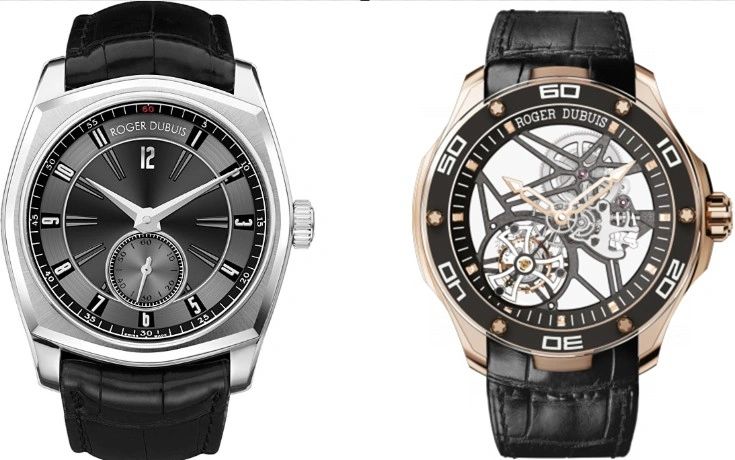
In 2011, Jean-Marc Pontroué, formerly of Montblanc, became CEO, joined by Etienne de Gramont, formerly IWC’s president for the Chinese market as International Sales Director. Pontroué sharpened the focus on the Excalibur collection and modern skeletonized movements, forging partnerships with the likes of Lamborghini and Pirelli to align with high-performance aesthetics. A standout creation was the Excalibur Quatuor, a four-balance-wheel timepiece showcasing exceptional craftsmanship. Pontroué’s retail-oriented vision emphasized customer experience, revitalizing the brand.
After a seven-year adventure at the helm of Roger Dubuis, Jean-Marc Pontroué took the leadership of Panerai, leaving his position to Nicola Andreatta, former head of Tiffany & Co.’s watch division. Andreatta has led Roger Dubuis, bringing fresh ambitions and doubled down on the image of performance watchmaking focusing on highly recognizable Skeletonized Excalibur watches. In 2023, Andreatta stepped down and was replace by Baume & Mercier’s CEO, Mr David Chaumet who is running the brand today. While the work done during the Richemont era on Roger Dubuis is undeniably impressive, the brand’s performance remains – in our humble opinion – far below its actual potential. The current CEO however does have an important card up his sleeve. Unlike all those who came before him, he actually has worked for Roger Dubuis twenty years prior in the quality control department and then as brand director for the Asia Pacific region. These insightful experiences, and the personal relationships with the core team of the brand do give him an edge no one had before him.
Article written by Omar, founder of The Watch Curators.


