

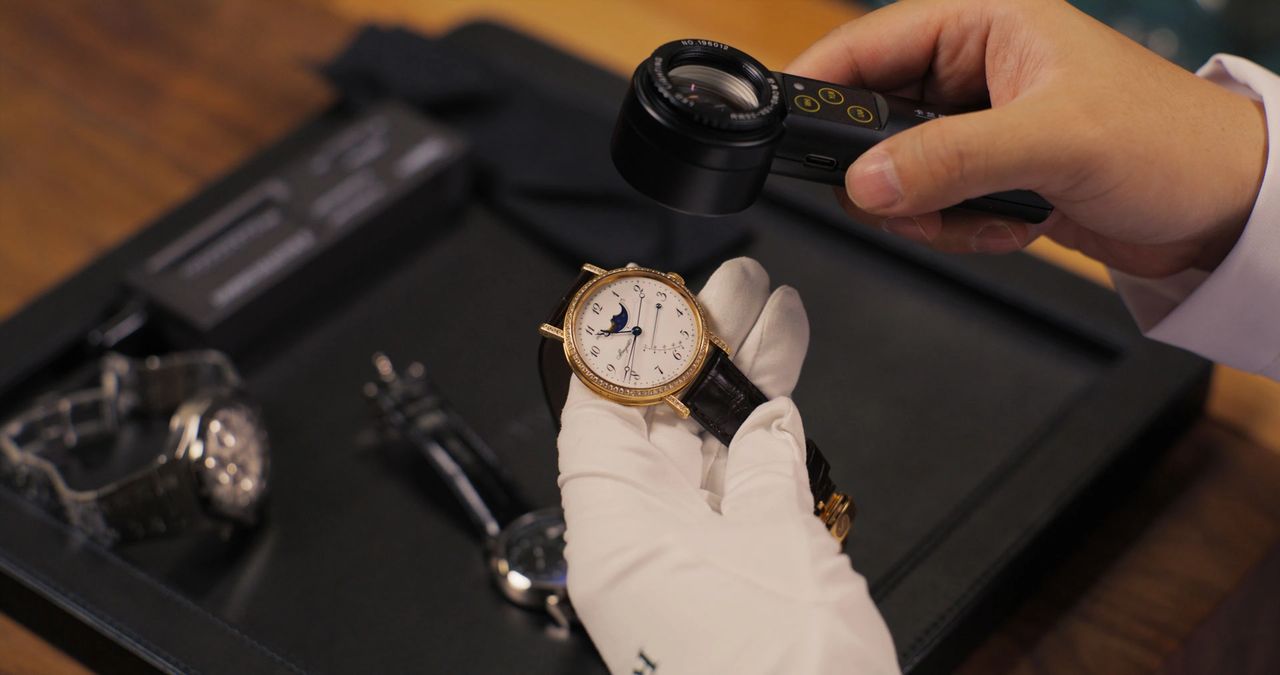
Measuring Moments: The Chronograph Family
After the Date complication, the Chronograph is generally accepted to be the second most popular complication in mechanical watches. What one could find particularly interesting with this information is that the Chronograph function is quite rarely used, its appeal to consumers is certainly more visual (sporty) than functional. At the same time, watchmakers like the complication because of the technical challenge it represents.
Chronometer vs Chronograph: Before we dig into the topic of Chronographs, let’s get a common misconception out of the way. Often, both words get confused while they mean two different things.
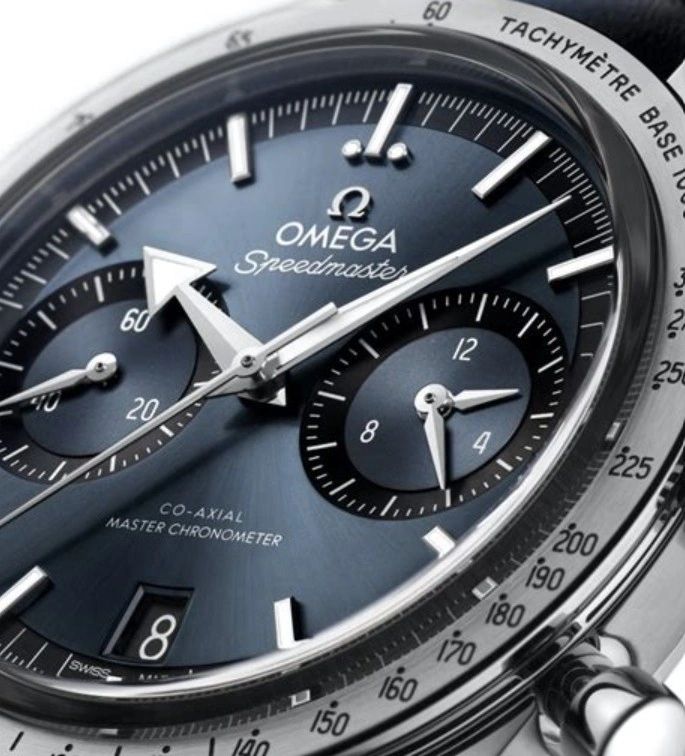
A chronometer is a high-precision mechanical timepiece that has been individually tested and certified by an official and independent governing body to meet strict standards of accuracy under various positions and temperatures. The most recognized authority is the Contrôle Officiel Suisse des Chronomètres (COSC) in Switzerland. To be COSC certified, a watch movement is required to keep time with an accuracy level of −4 to +6 seconds per day. This level of precision is be tested over a period of 15 days, in 5 positions (to account for the effect of gravity) and at 3 different temperatures (8°C, 23°C, and 38°C). Only watches that pass this rigorous testing are allowed to bear the title “Chronometer” on their dial or documentation. Quite famously, Rolex is known to get this certification for 100% of the Mechanical watch production.

A standard Chronograph is what could be commonly called a StopWatch. It is a function that allows the watch to measure a specific amount of time. If calendars remind us of the long game, chronographs are all about immediacy—the ability to start, stop, and reset time at will. First invented in the 19th century for horse racing and later perfected for motorsports and aviation, they remain in high demand today. The Chronograph function uses a set of pushers to control a central seconds hand (and often sub-dials for elapsed minutes and hours). The magic is in the clutch system (just like in a car engine): The Column wheel Chronographs deliver a buttery pusher feel prized by collectors, while cam-actuated systems (like the legendary Valjoux 7750) are rugged, reliable workhorses.
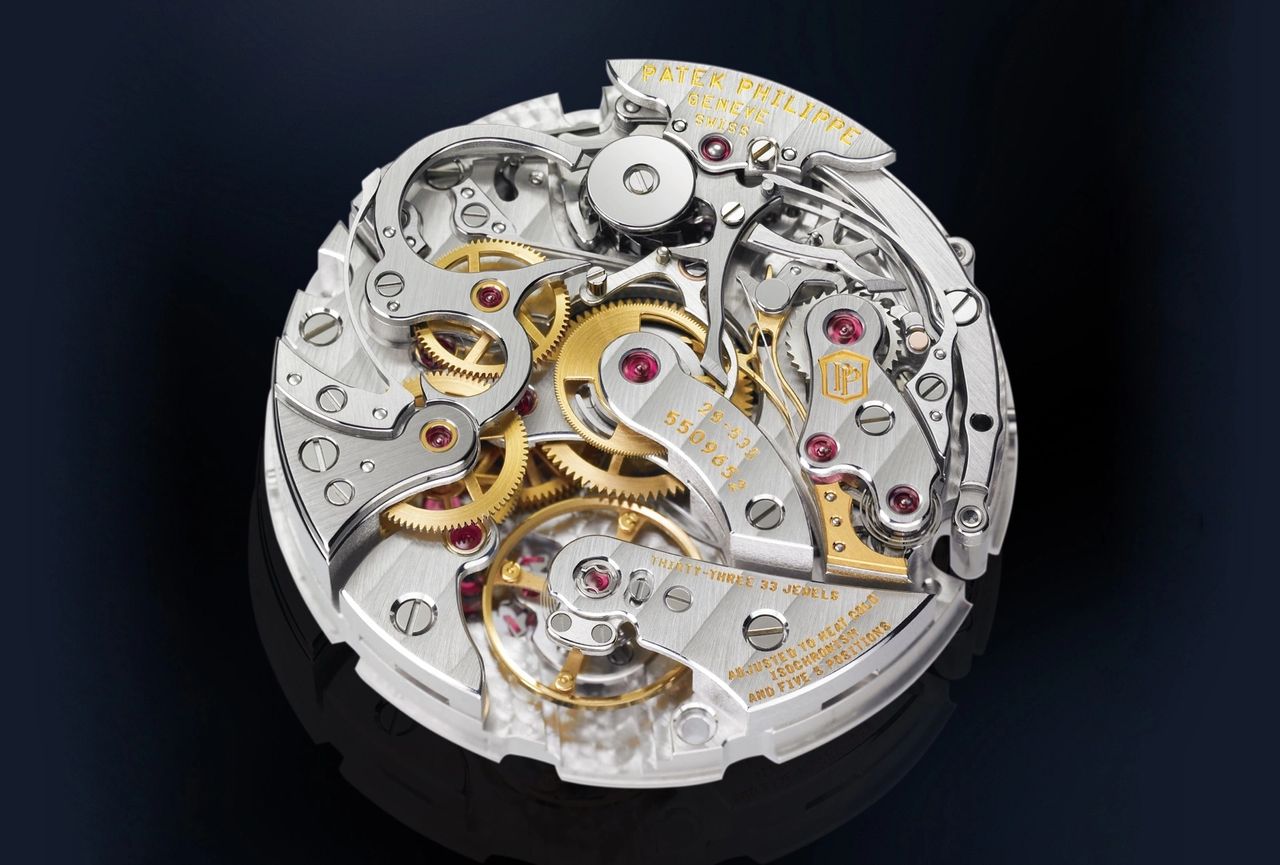
Then there are the Flyback Chronographs. This would be an advanced version of the complication which let you reset and restart timing with a single press—it was developed for pilots or anyone timing successive intervals. A great example of a Flyback Chronograph would be the Longines Spirit Flyback Chronograph.

The Rattrapante Chronograph (or split-seconds chronograph) goes further: a second chronograph hand can be stopped independently to measure intermediate times before catching up with the first. It’s among the most complex mechanisms in traditional watchmaking, often reserved for the highest tier of maisons, although several well-established brands with a more median position can deliver fantastic examples of this complication, the emblematic Breitling Navitimer B03 would be the one watch by the brand to be in a proper gentleman’s collection.
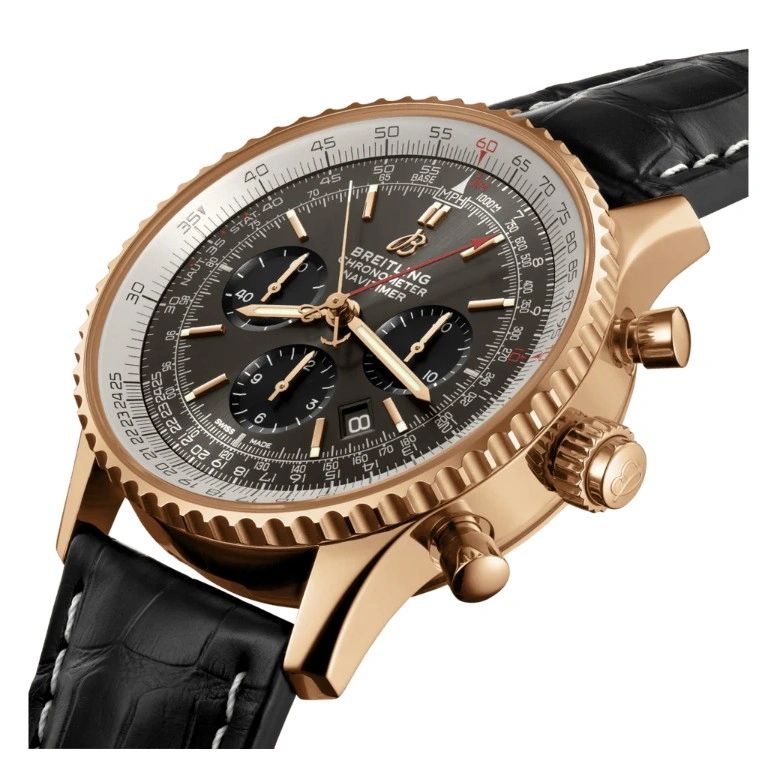
What to look for: crisp pusher action, sub-dial legibility, and—if you plan to use it regularly—a movement known for robustness. For connoisseurs, finishing on the levers, column wheel, and bridges can turn a practical tool into a miniature sculpture.
The Sound of Time: Striking Complications
Some watches don’t just show the time—they tell it! These are the striking complications, mechanisms that chime (they “ring”) the hours, quarters, and minutes using tiny hammers and gongs hidden within the case of the watch.
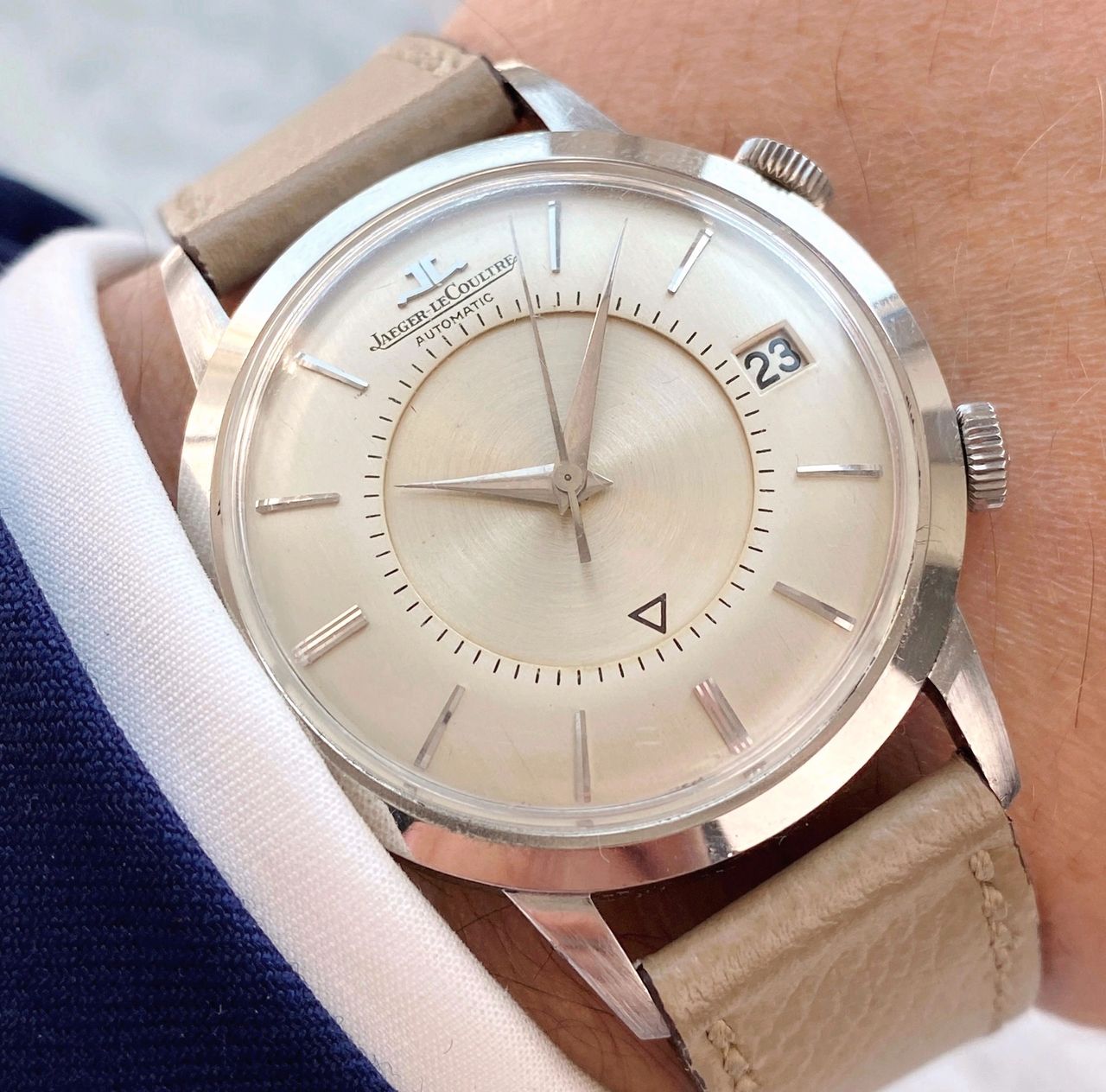
The Alarms are the most practical form, found even in mid-century tool watches like the Vulcain Cricket. A buzzing reminder, functional yet charming. Think of how modern smartphones vibrate when you receive a notification. That’s how an Alarm complication would make the watch on your wrist vibrate, sometimes even emitting a sound similar to that of a Cricket. Jaeger LeCoultre is undeniably one of the most experimented watchmaker on this specific complication.
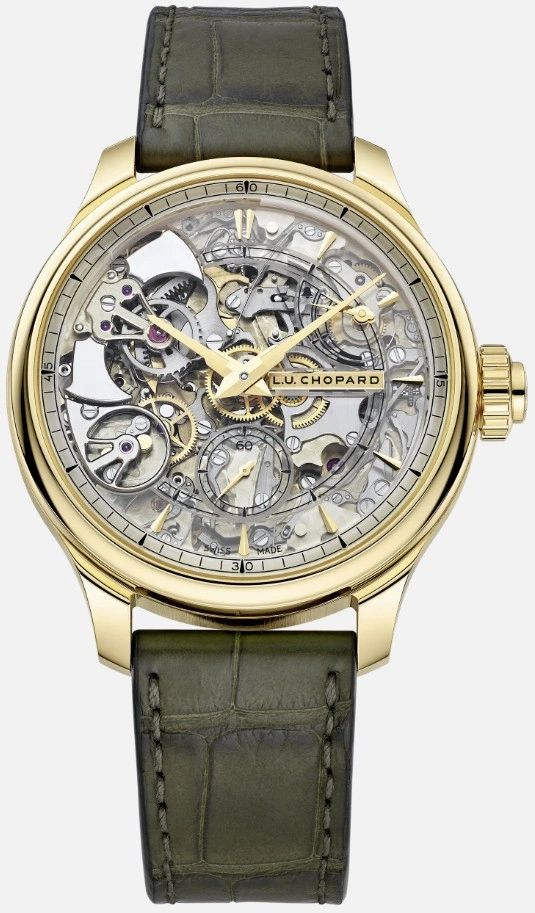
The Sonneries and Minute Repeaters are the pinnacle. Slide a lever, and the watch will sound out the time: hours, quarters, then minutes, each note struck with perfect precision. Invented before electric light, repeaters allowed the wealthy to “hear” the time at night, on demand. Think of that old clock in your grand-parents’ house that would ring every hour, but miniaturized to fit on your wrist and that would ring only when you ask it to, by activating the lever. Today, they remain the ultimate expression of watchmaking artistry—marrying engineering with acoustics and case design. As surprisingly as this may sound, one of the best watches in this category at the time of writing this article would be the Chopard L.U.C. Full Strike.
What to look for: clarity of tone, volume (not too shrill, not too muted), and ease of activation. The finest repeaters, like those from Patek Philippe or Audemars Piguet, are tuned by ear—each one unique, like a musical instrument.
Masterpieces of Ingenuity: Tourbillons and Beyond
Not every showpiece complication is about adding more information. Some exist purely to demonstrate mastery. Chief among them is the Tourbillon, Abraham-Louis Breguet’s 1801 invention designed to counter the effects of gravity on a watch’s accuracy. By mounting the escapement in a rotating cage, Breguet sought to average out positional errors. In modern wristwatches the practical benefit is minimal, yet few sights in horology rival the hypnotic dance of a spinning tourbillon—especially when doubled, set on multiple axes, or suspended by sapphire bridges.
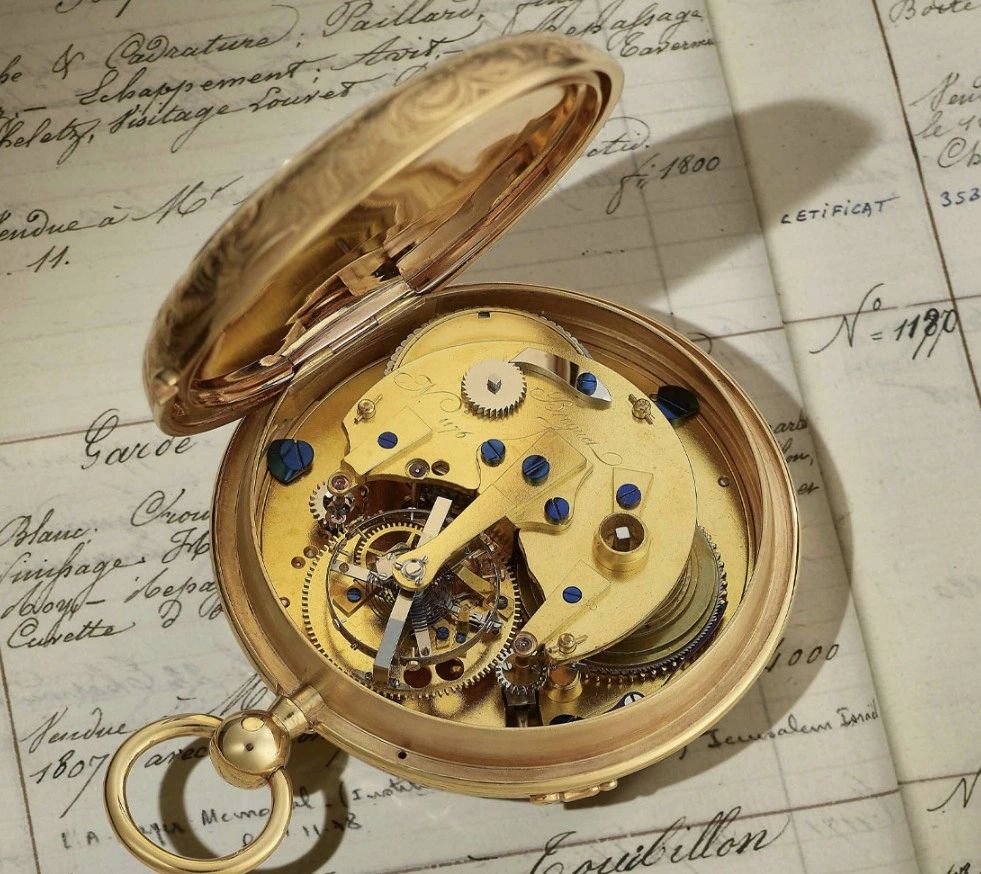
Legend has it that the inspiration struck Breguet as he watched a small whirlwind lift a dead leaf from the ground. The leaf wasn’t flying, but floating—its weight seemingly neutralized by the circular airflow. At the time, pocket watches were carried upright in the vest, meaning the balance wheel spent most of its life in a single vertical position. Over time, gravity would distort the wheel and impair precision. Observing that whirlwind, Breguet conceived a cage that would constantly rotate the balance and escapement, canceling gravity’s pull. His solution: a mechanism completing one revolution every 60 seconds.
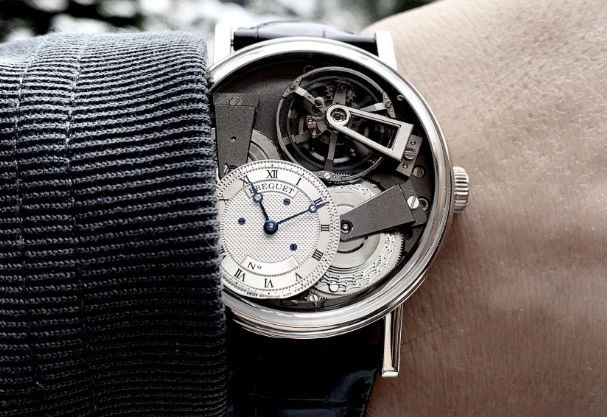
Today, many maisons offer tourbillons, but Breguet’s creations remain among the most poetic and historically resonant.
Other mechanical marvels also delight collectors. The Jumping Hour replaces the sweeping hour hand with a digital-style window that snaps crisply to the next hour. The Deadbeat Seconds, meanwhile, makes the seconds hand “tick” once per second, mimicking quartz watches—a feature originally prized by doctors who needed precise pulse readings. Ironically, these so-called “non-complications” often demand greater ingenuity than a simple date display, proving that in watchmaking, simplicity can be the greatest sophistication.
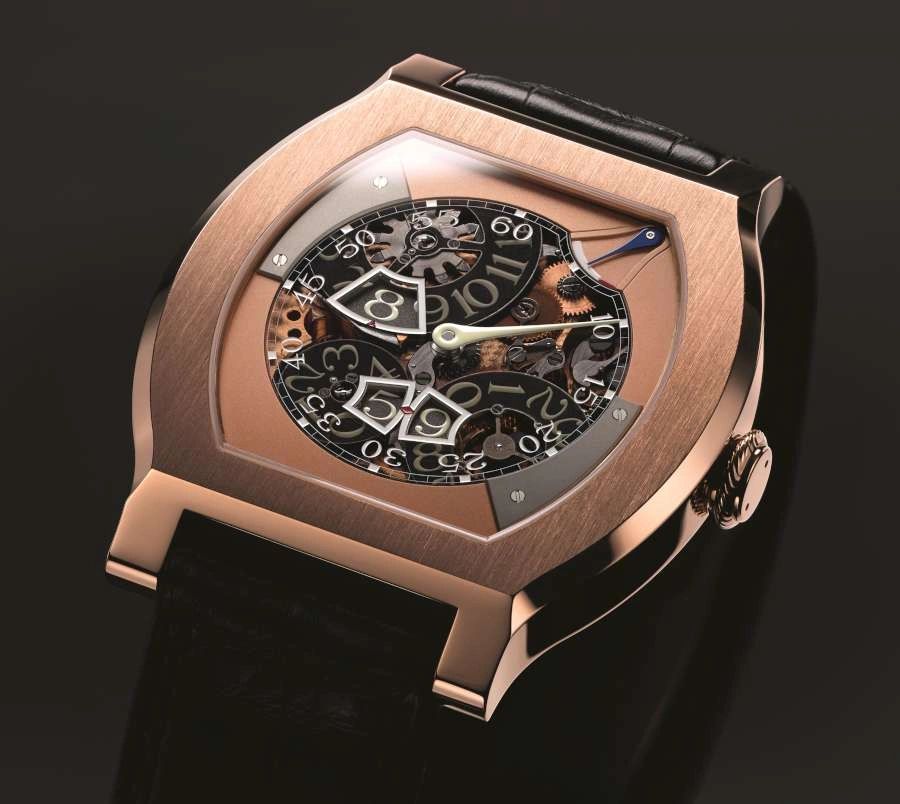
What to look for: on tourbillons, stability of rotation and finishing of the cage; on jumping hours and deadbeat seconds, crisp action without stutter or lag. These pieces are less about practicality and more about the artistry and theater of mechanics.
Hybrids and High Complications
When complications combine, the result is what collectors call a Grand Complication: typically, a watch with at least a chronograph, a perpetual calendar, and a striking mechanism or a Tourbillon. These represent the Everest of horology—exceedingly rare, extravagantly priced, and demanding the most skilled watchmakers to assemble and service.
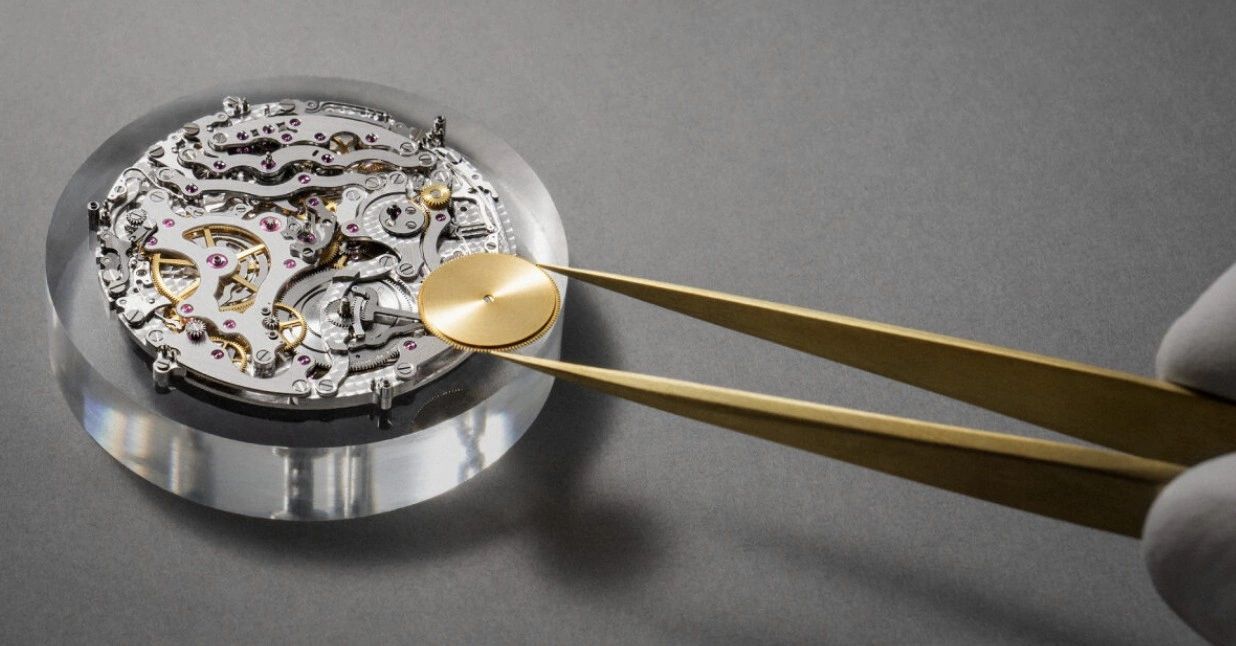
Modern independents are pushing further: astronomical displays that chart the constellations, mechanical equations of time, or even hybrid mechanical-digital systems. MB&F, Greubel Forsey, and Vacheron Constantin are among the names redefining what a complication can be in the 21st century.
What to look for: balance. Complexity for its own sake can overwhelm; the greatest grand complications manage to integrate multiple mechanisms without sacrificing legibility or elegance.
Some final thoughts
Collecting complications is as much a matter of taste as of utility. Some, like a flyer GMT or an annual calendar, serve practical needs in daily life. Others, such as a moonphase or a tourbillon, exist more for their poetry—an expression of romance and craftsmanship. The real key is to choose the mechanisms that speak both to your lifestyle and to your heart.
In today’s world, beautifully constructed complicated timepieces can even be found at remarkably accessible prices through the growing universe of micro-brands. These watches often rely on non-Swiss movements and naturally lack the refinement and finishing of the great maisons, yet they remain promising and prove that watchmaking passion is alive well beyond Switzerland.

Ultimately, in the 21st century, no mechanical complication is strictly necessary. And yet, that is precisely what makes them so special. They embody the endless pursuit of excellence, the constant challenge to innovate, and the human genius to turn gears and springs into something more than the sum of their parts. For watch lovers, this devotion is not just relevant—it is essential.
Article prepared and written by Omar, Founder at The Watch Curators.


